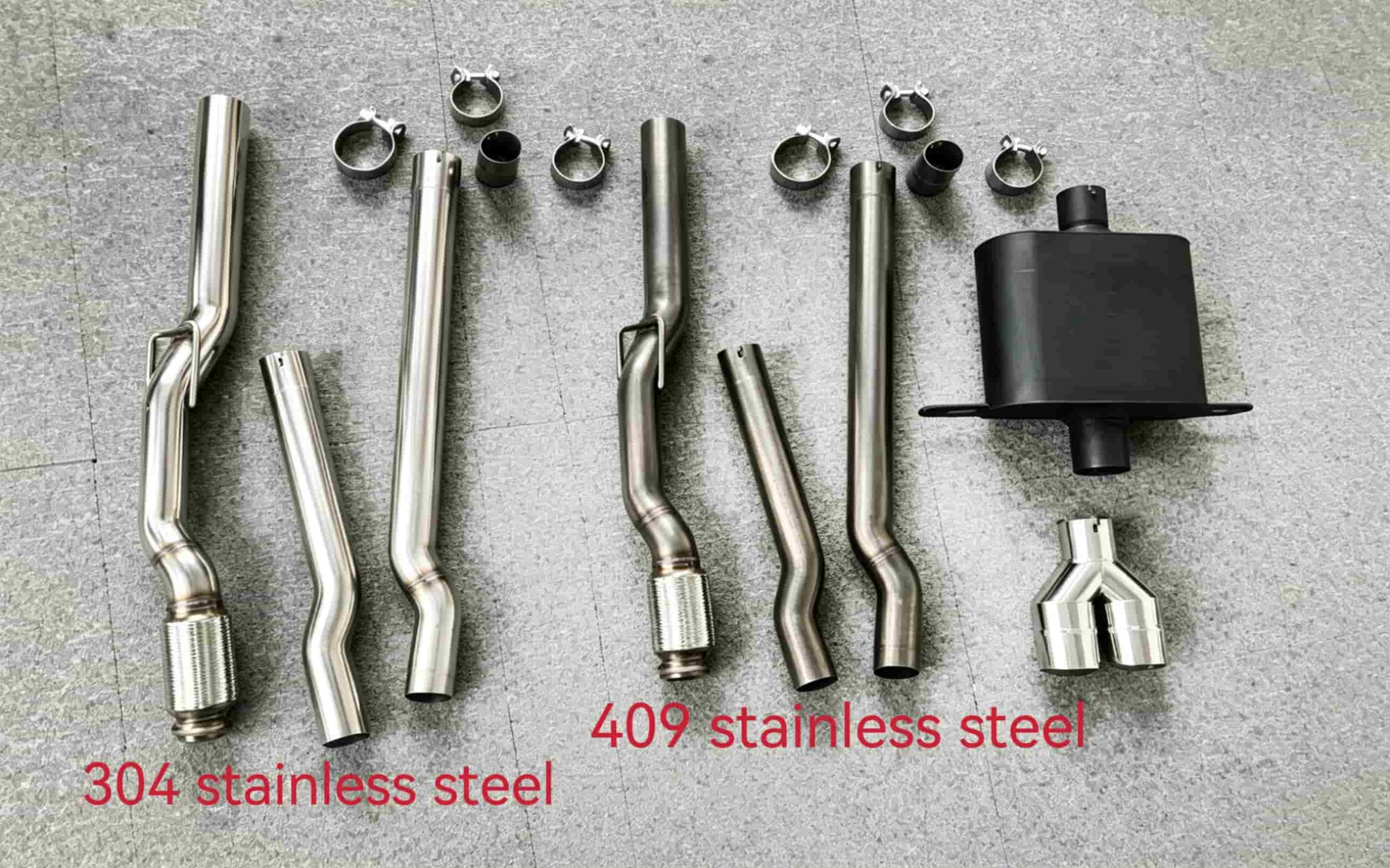
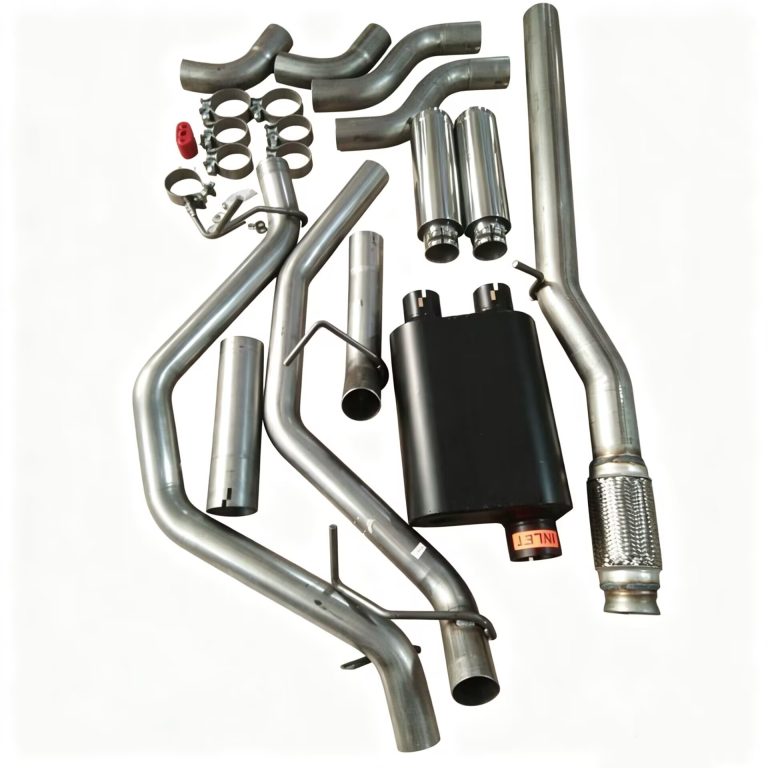
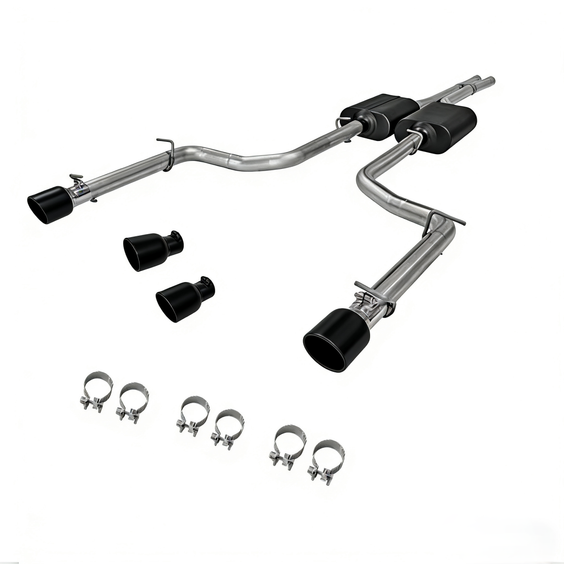
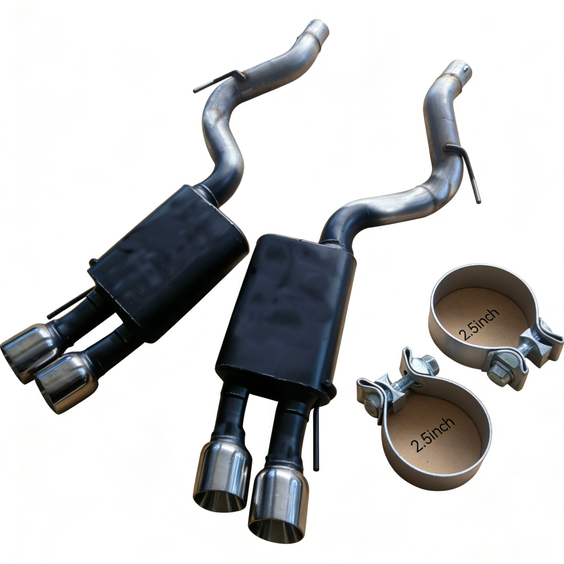
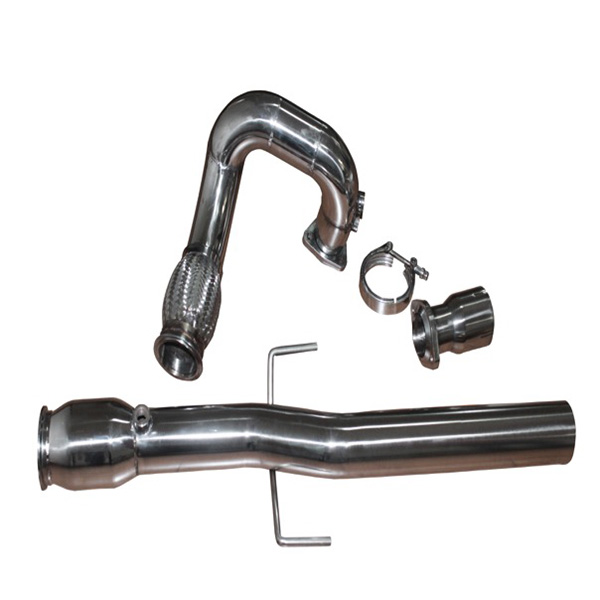
Cat-back exhaust legal questions are now one of the most common concerns among pickup truck buyers before purchasing. The conversation is no longer only about sound. On Reddit, truck forums, and enthusiast communities, buyers are asking whether cat-back exhausts are legal, whether they can trigger a noise ticket, whether they need a CARB EO number, and whether they will drone during highway driving.
For distributors, importers, private-label brands, and truck accessory retailers, these questions are not small details. They show how the market is changing.
Truck owners still want a deeper exhaust tone. But many of them also want daily drivability, inspection confidence, and fewer legal concerns. That creates a clear opportunity for B2B buyers: source street-friendly cat-back exhaust systems for pickup trucks that sound better without becoming difficult to sell, install, or support.
Quick Answer: Are Cat-Back Exhausts Legal?
In most cases, a cat-back exhaust is considered a lower-risk aftermarket upgrade because it is installed behind the factory catalytic converter. A properly designed cat-back system does not remove the catalytic converter, change oxygen sensors, or alter the vehicle’s emissions-control system.
That said, legality is not only about emissions.
A cat-back exhaust can be emissions-safe and still cause problems if it is too loud for local noise laws. This is why pickup truck distributors should evaluate two separate issues before ordering:
- Emissions compliance
- Noise compliance
For B2B buyers, the safest product position is not “as loud as possible.” It is a street legal cat-back exhaust for pickup trucks with controlled sound, no-drone highway comfort, and direct-fit installation.
For official aftermarket parts guidance, refer to the California Air Resources Board aftermarket performance and add-on parts program.
What Reddit Buyers Are Really Asking About Cat-Back Exhausts
Reddit is useful because buyers speak directly. They are not reading catalog language. They are asking the same questions they would ask before spending money.
Common search-style questions include:
- Is a cat-back exhaust legal?
- Will a cat-back exhaust get me pulled over?
- Does a cat-back exhaust need a CARB EO number?
- Can a cat-back exhaust pass inspection?
- How loud is too loud for an aftermarket exhaust?
- What is the best no-drone exhaust for a truck?
- Which cat-back exhaust is quiet enough for daily driving?
- Is a cat-back exhaust good for towing?
These questions matter for distributors because they reveal buying friction. If end users are worried about tickets, drone, inspection failure, or excessive sound, dealers will be cautious too.
A Reddit discussion about cat-back legality can be found here: Is Cat Back exhaust legal?.
The lesson for B2B buyers is simple: products that answer these concerns are easier to sell.
Emissions Compliance vs. Noise Compliance
Many buyers confuse emissions rules with noise rules. For distributors, separating these two points helps reduce misunderstanding and sales risk.
Emissions Compliance
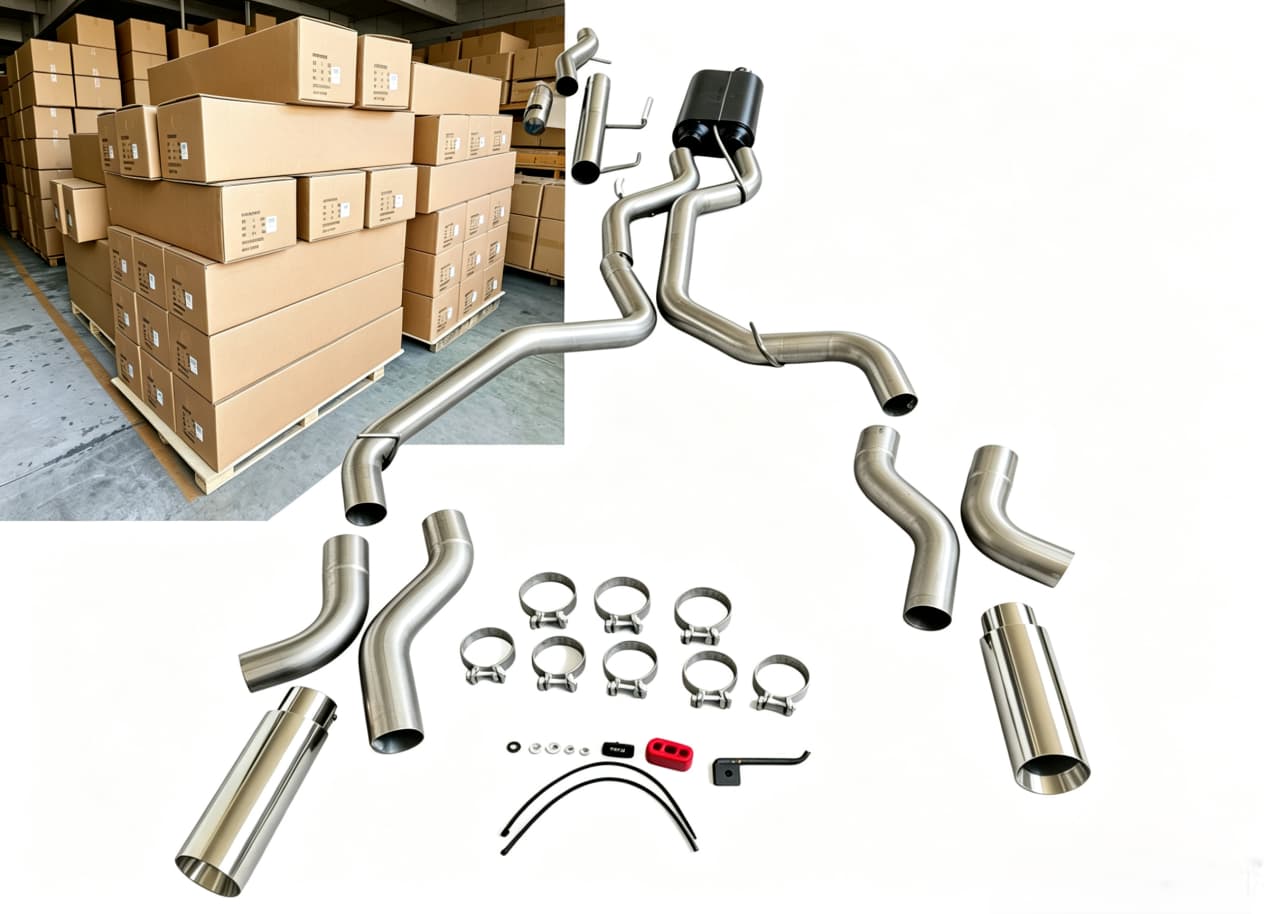
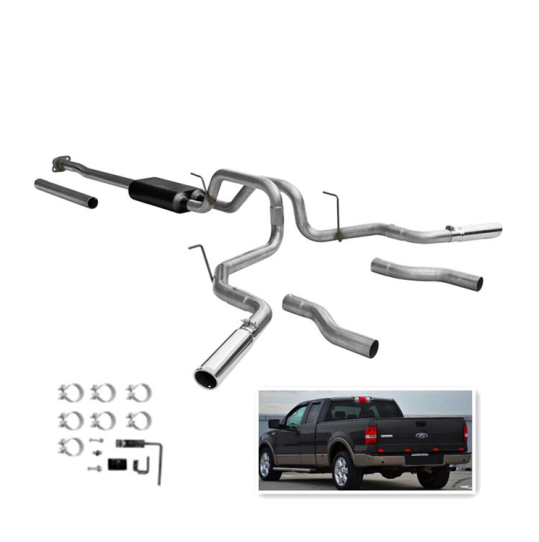
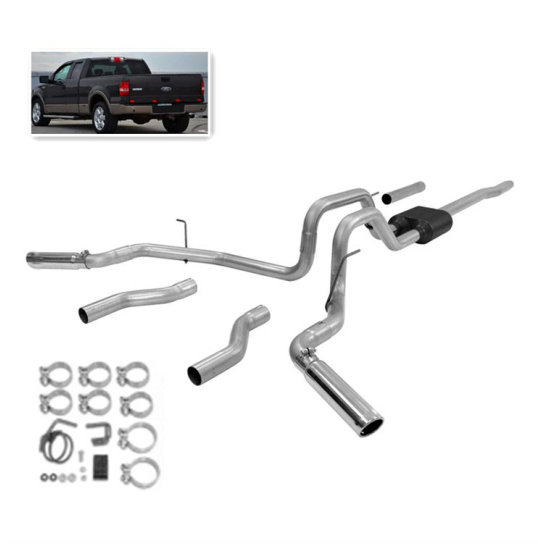
A cat-back exhaust replaces components after the catalytic converter. This usually includes rear pipes, mufflers, resonators, exhaust tips, and related hardware.
Because the catalytic converter remains in place, a cat-back system typically does not change the vehicle’s emissions function when properly designed.
A compliant cat-back exhaust should not interfere with:
- Catalytic converters
- Oxygen sensors
- ECU calibration
- EGR systems
- Diesel emissions equipment
- Factory emissions-control devices
This is why cat-back exhaust systems are generally easier for distributors to handle than headers, downpipes, test pipes, or catalytic converter delete products.
For pickup truck applications, this is a major commercial advantage. It allows sellers to offer sound and appearance upgrades while avoiding direct modification of emissions equipment.
Noise Compliance
Noise is a separate issue.
An exhaust system may keep all emissions equipment intact and still be considered too loud under state or local rules. This is especially important in California and other markets where exhaust noise enforcement receives more attention.
California’s widely discussed 95 dB exhaust sound limit is often referenced in aftermarket conversations. SEMA has published an explanation of California exhaust noise rules here: SEMA explanation of California exhaust noise rules.
Some cities also provide local enforcement information, such as Rancho Palos Verdes loud exhaust enforcement guidance.
For distributors, this creates a practical sourcing rule:
Do not choose a cat-back exhaust only because it sounds aggressive in a short video. Choose a system that can be sold as street-friendly, daily-drivable, and controlled in volume.
Does a Cat-Back Exhaust Need a CARB EO Number?
This is one of the most common questions buyers ask, especially when selling into California.
A CARB Executive Order, often called a CARB EO, applies to certain aftermarket parts that may affect emissions. Since a cat-back exhaust is installed after the catalytic converter and normally does not alter emissions-control components, many cat-back systems are treated differently from engine tuning parts, headers, or catalytic converter-related modifications.
However, B2B buyers should avoid making broad legal promises without checking the exact application and market.
The better approach is to describe the product accurately:
- It is a cat-back system installed after the catalytic converter.
- It is designed to retain factory emissions equipment.
- It does not require ECU tuning.
- It does not remove catalytic converters or oxygen sensors.
- Buyers should confirm local rules before installation.
This language is safer than claiming every system is legal everywhere.
For distributors and private-label brands, product pages should use clear terms such as:
- Emissions-safe cat-back configuration
- Designed to retain factory catalytic converters
- No ECU tuning required
- Street-friendly sound level
- Direct-fit pickup truck exhaust system
This helps dealers explain the product without creating unrealistic expectations.
Can a Cat-Back Exhaust Get a Noise Ticket?
Yes, it can, if the system is too loud under local noise rules.
This is why “legal” is not the only word that matters. A distributor also needs to think about real-world enforcement and customer experience.
End users often ask whether they will get pulled over. Dealers may ask whether the product is safe to sell in stricter states. Fleet customers may ask whether the exhaust is acceptable for work trucks.
A system that is too loud can create problems such as:
- Customer complaints
- Noise ticket concerns
- Poor online reviews
- Dealer hesitation
- Product returns
- Lower acceptance from daily drivers
- Reduced appeal in urban markets
For broad B2B distribution, quiet performance is often more profitable than extreme volume.
A quiet cat-back exhaust for pickup trucks can still sound strong. The difference is that it avoids harsh rasp, excessive cold-start volume, and heavy cabin resonance.
Why No-Drone Sound Tuning Matters for Pickup Trucks
Drone is one of the biggest reasons customers regret buying an aftermarket exhaust.
Drone is the low-frequency resonance that enters the cabin at steady speed. It is often most noticeable during highway cruising, towing, or driving at a constant RPM.
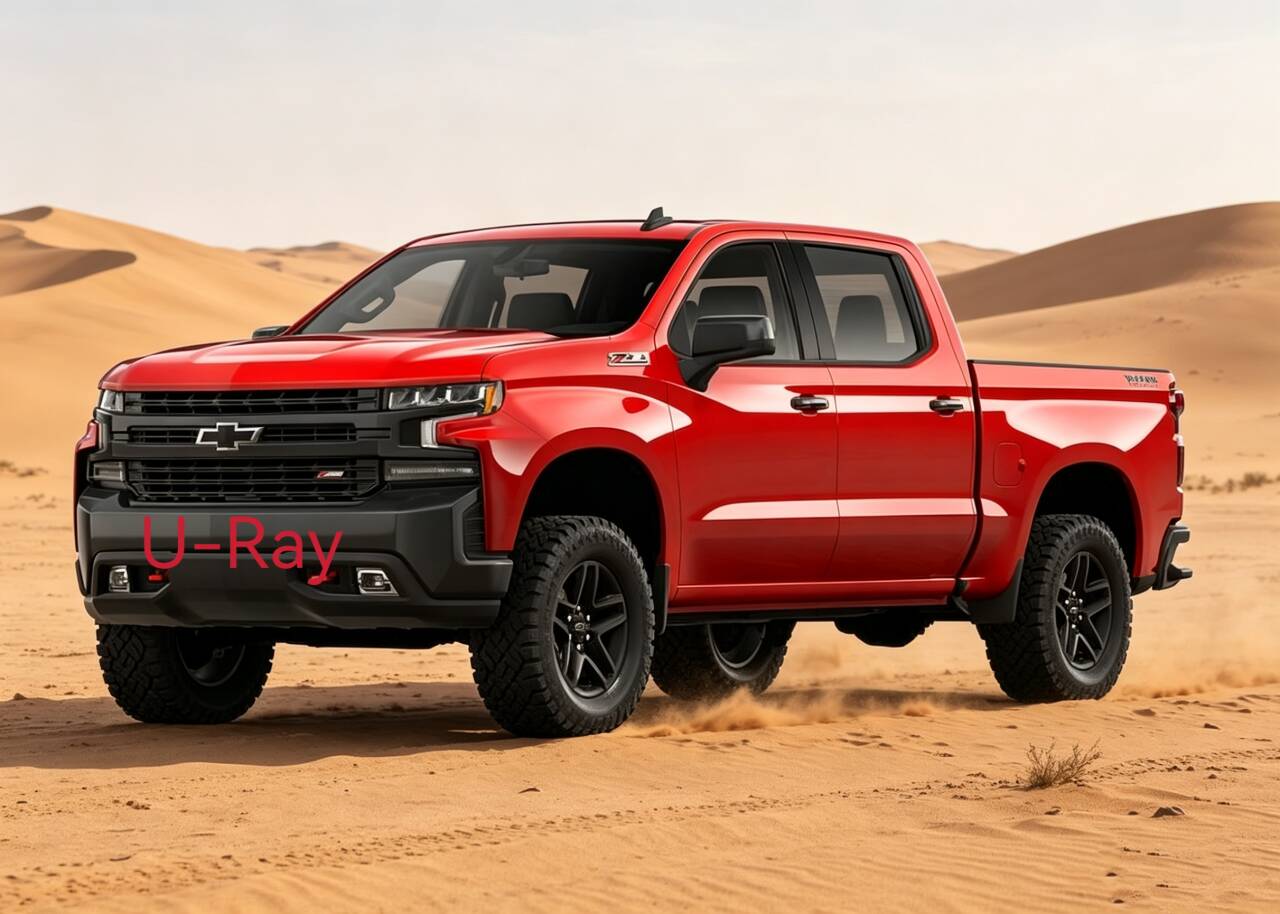
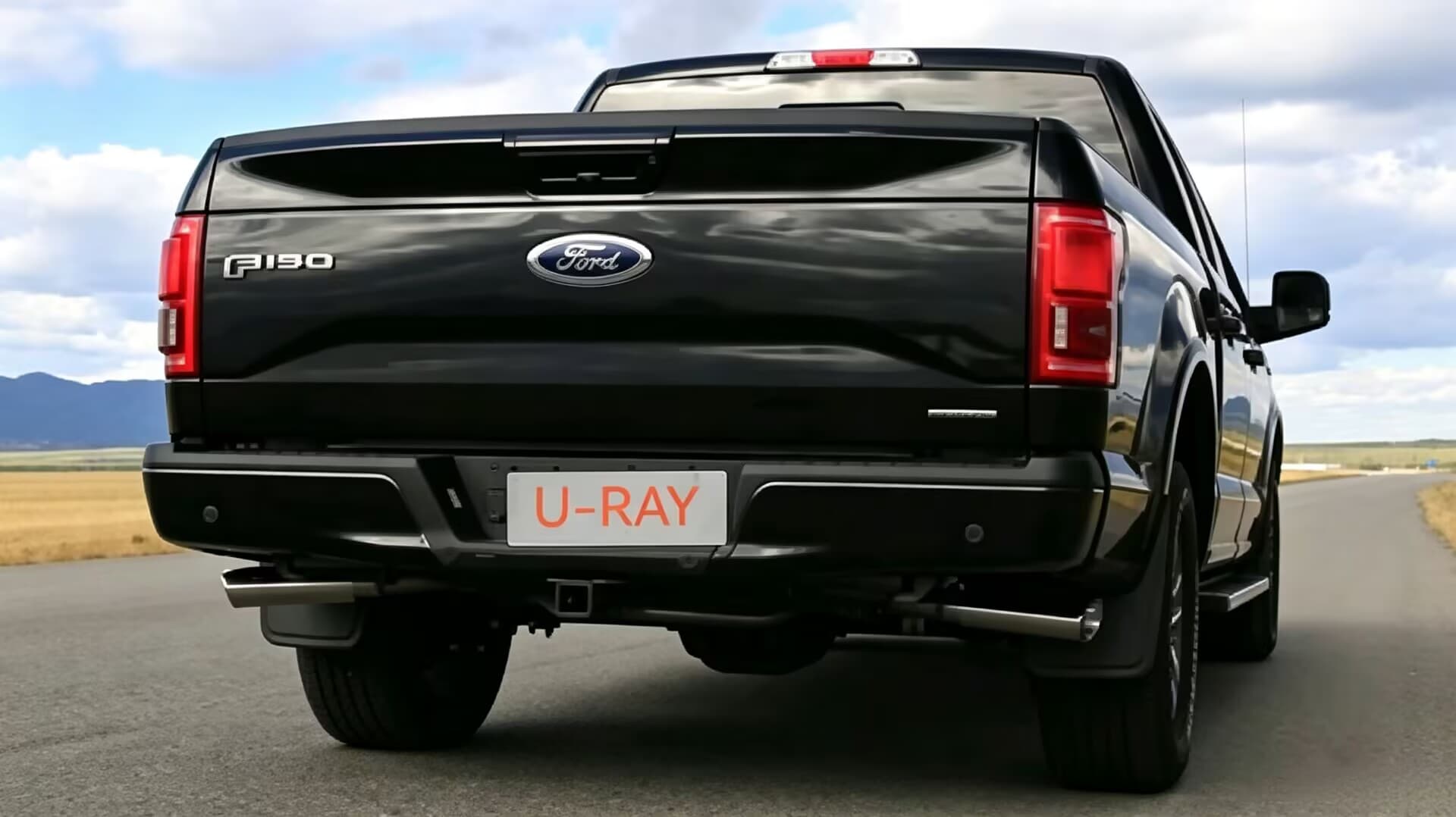
This is especially important for pickup trucks because many owners use their vehicles every day. A Ford F-150, RAM 1500, Silverado, Sierra, Tundra, or Tacoma may be used for work, family driving, commuting, towing, and long-distance travel.
A truck exhaust can sound impressive during acceleration but become tiring on the highway. That is where returns and negative reviews begin.
For B2B buyers, a no drone truck exhaust system is not just a comfort feature. It is a sales advantage.
A well-tuned cat-back exhaust should offer:
- Deeper tone at startup
- Controlled sound at idle
- Stronger sound under acceleration
- Minimal drone during highway cruising
- Comfortable cabin sound while towing
- Daily-drivable tone for work trucks and family vehicles
This is the product profile that works best for distributors selling to a wide customer base.
What B2B Buyers Should Ask Before Sourcing Cat-Back Exhausts
When choosing a cat-back exhaust supplier, B2B buyers should ask questions that match the concerns end users are already searching online.
1. Is the system designed to retain factory emissions equipment?
The answer should be clear. A cat-back system should not remove catalytic converters, oxygen sensors, or other emissions-control components.
This helps distributors position the product more safely.
2. Is the sound tuned for daily driving?
A product that is only designed to be loud may create complaints. For pickup trucks, daily drivability matters.
Ask whether the system is tuned for:
- Highway cruising
- Towing
- Cold starts
- Cabin comfort
- Low-frequency drone control
3. Does the supplier offer multiple sound profiles?
Different markets need different sound levels.
A good supplier may support mild, touring, sport, or more aggressive sound options. For national distribution, mild or touring-style systems are often easier to sell.
4. Is fitment data accurate?
Pickup trucks vary by cab size, bed length, wheelbase, engine, drivetrain, model year, and trim. Incorrect fitment creates installation problems and dealer frustration.
A reliable aftermarket pickup exhaust supplier should provide:
- Application data
- Fitment notes
- Installation instructions
- SKU support
- Packaging information
5. Can the supplier support wholesale or private-label programs?
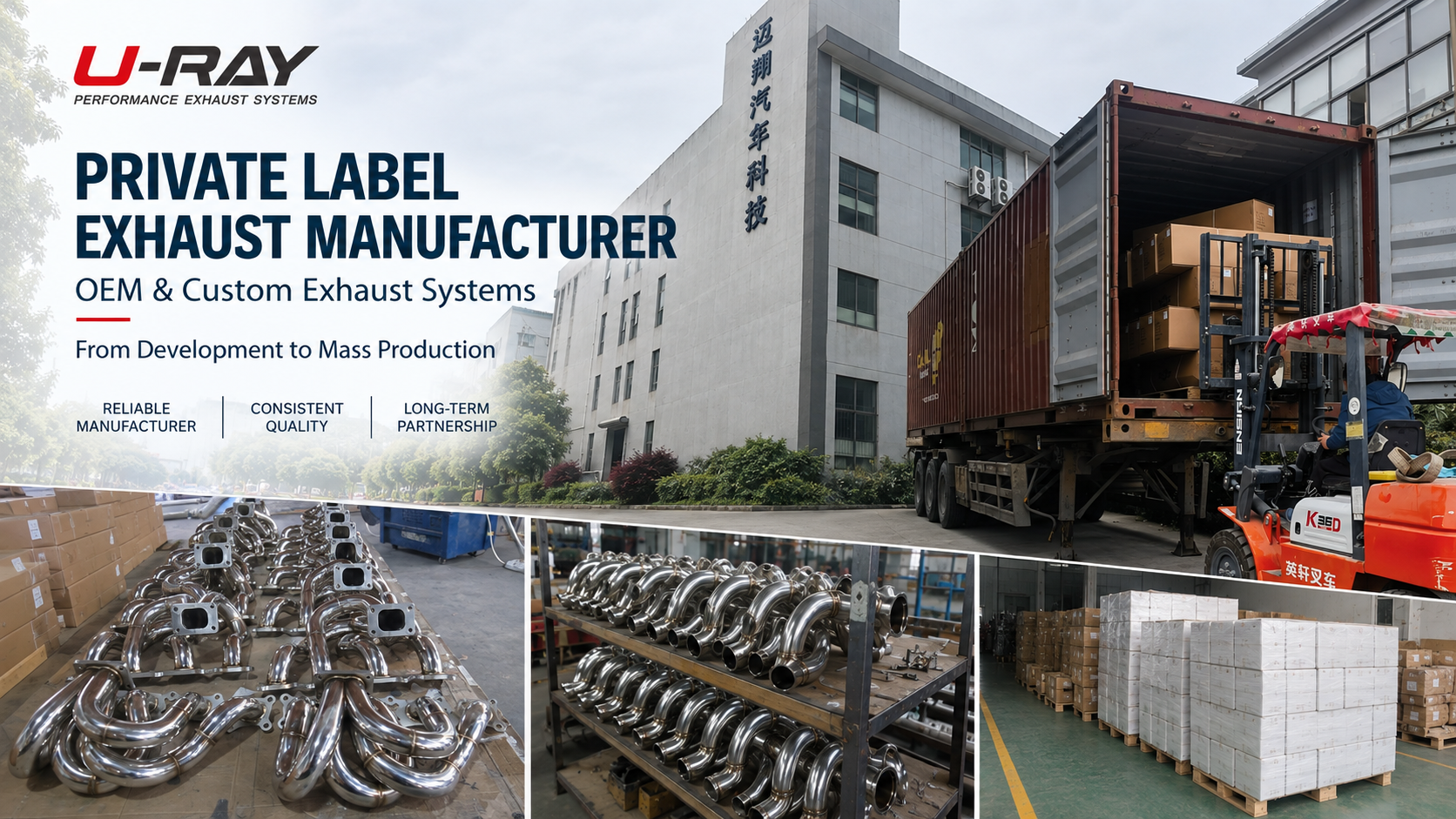
Many B2B customers need more than standard products. They may need private-label packaging, custom tips, branded cartons, fitment spreadsheets, product photos, and stable export support.
For distributors, supplier support is part of the product.
Best-Fit Applications for Street-Friendly Truck Exhausts
Street-friendly cat-back exhaust systems are especially suitable for high-volume pickup platforms in the United States.
Key applications include:
- Ford F-150
- Ford Super Duty
- RAM 1500
- RAM 2500 / 3500
- Chevrolet Silverado 1500
- Chevrolet Silverado HD
- GMC Sierra 1500
- GMC Sierra HD
- Toyota Tundra
- Toyota Tacoma
- Nissan Titan
For these platforms, buyers often want a deeper tone but still need comfort and reliability. This makes them ideal for no-drone, direct-fit, stainless steel cat-back exhaust programs.
For a broader sourcing overview of truck exhaust manufacturing, see our related guide: Why Cat-Back Exhaust Systems Dominate the Truck Aftermarket.
How Distributors Can Position Street-Legal Cat-Back Exhausts
The way a product is described matters. Many end users are cautious, so B2B sellers should avoid language that creates unnecessary risk.
Instead of focusing only on “loud” or “aggressive,” use product language that matches actual buyer concerns.
Recommended positioning phrases include:
- Street-friendly performance tone
- Designed to retain factory catalytic converters
- No ECU tuning required
- Quiet performance for daily driving
- No-drone highway comfort
- Direct-fit pickup truck exhaust system
- Stainless steel cat-back exhaust for trucks
- Suitable for towing and daily use
- Wholesale cat-back exhaust for US pickups
- Private label cat-back exhaust systems
This type of wording speaks to both retail buyers and B2B customers. It shows that the product is not only exciting, but also practical.
Why This Matters for B2B Buyers
A good cat-back exhaust program should not create problems after the sale.
For distributors, the wrong product can lead to higher costs through:
- Product returns
- Warranty claims
- Noise complaints
- Dealer pushback
- Poor installation reviews
- Slow-moving inventory
- Reduced trust from repeat customers
A better product line can improve:
- Dealer confidence
- Customer satisfaction
- Repeat orders
- Brand reputation
- Private-label value
- Long-term account stability
This is why legal concerns, sound level, and no-drone design should be part of the sourcing conversation from the beginning.
The best-selling exhaust is not always the loudest one. In many B2B channels, the best-selling exhaust is the one dealers feel safe recommending.
Final Takeaway
Reddit discussions show what pickup truck owners are really worried about. They want better sound, but they also ask about legality, noise tickets, inspections, CARB requirements, and highway drone.
For B2B buyers, this creates a clear sourcing direction.
A strong cat-back exhaust program for the US pickup market should focus on:
- Emissions-safe design
- Street-friendly sound
- No-drone highway comfort
- Direct-fit installation
- Accurate fitment data
- Stainless steel construction
- Popular pickup applications
- Wholesale and private-label support
Cat-back exhaust systems remain a strong product category, but the market is becoming more practical. Distributors that offer controlled, daily-drivable, street-friendly systems will be better positioned than sellers who compete only on volume and sound.
B2B Call to Action
Looking for a reliable cat-back exhaust manufacturer for the US pickup market?
We supply direct-fit stainless steel cat-back exhaust systems for popular truck platforms, including Ford F-150, RAM 1500, Chevrolet Silverado, GMC Sierra, Toyota Tundra, Tacoma, and heavy-duty pickup applications.
Our services include wholesale supply, private-label support, custom exhaust tips, fitment data, export packaging, and street-friendly sound tuning.
FAQ
Are cat-back exhausts legal for pickup trucks?
Cat-back exhausts are generally considered lower-risk because they are installed after the catalytic converter and do not remove major emissions-control equipment. Noise rules still vary by state and local area.
Can a cat-back exhaust fail inspection?
A properly designed cat-back exhaust should not affect emissions inspection if it retains factory emissions equipment. However, excessive noise or poor installation may create issues in some markets.
Does a cat-back exhaust need a CARB EO number?
Many cat-back exhausts do not alter emissions equipment, but requirements can depend on the part, application, and market. B2B buyers should verify details before selling into regulated states.
Can a cat-back exhaust get a noise ticket?
Yes. Even if a system is emissions-safe, it may still cause problems if it exceeds local noise limits or attracts enforcement attention.
What is the best cat-back exhaust for daily-driven pickup trucks?
For daily-driven trucks, the best option is usually a street-friendly cat-back exhaust with controlled volume, deep tone, stainless steel construction, direct-fit installation, and minimal highway drone.