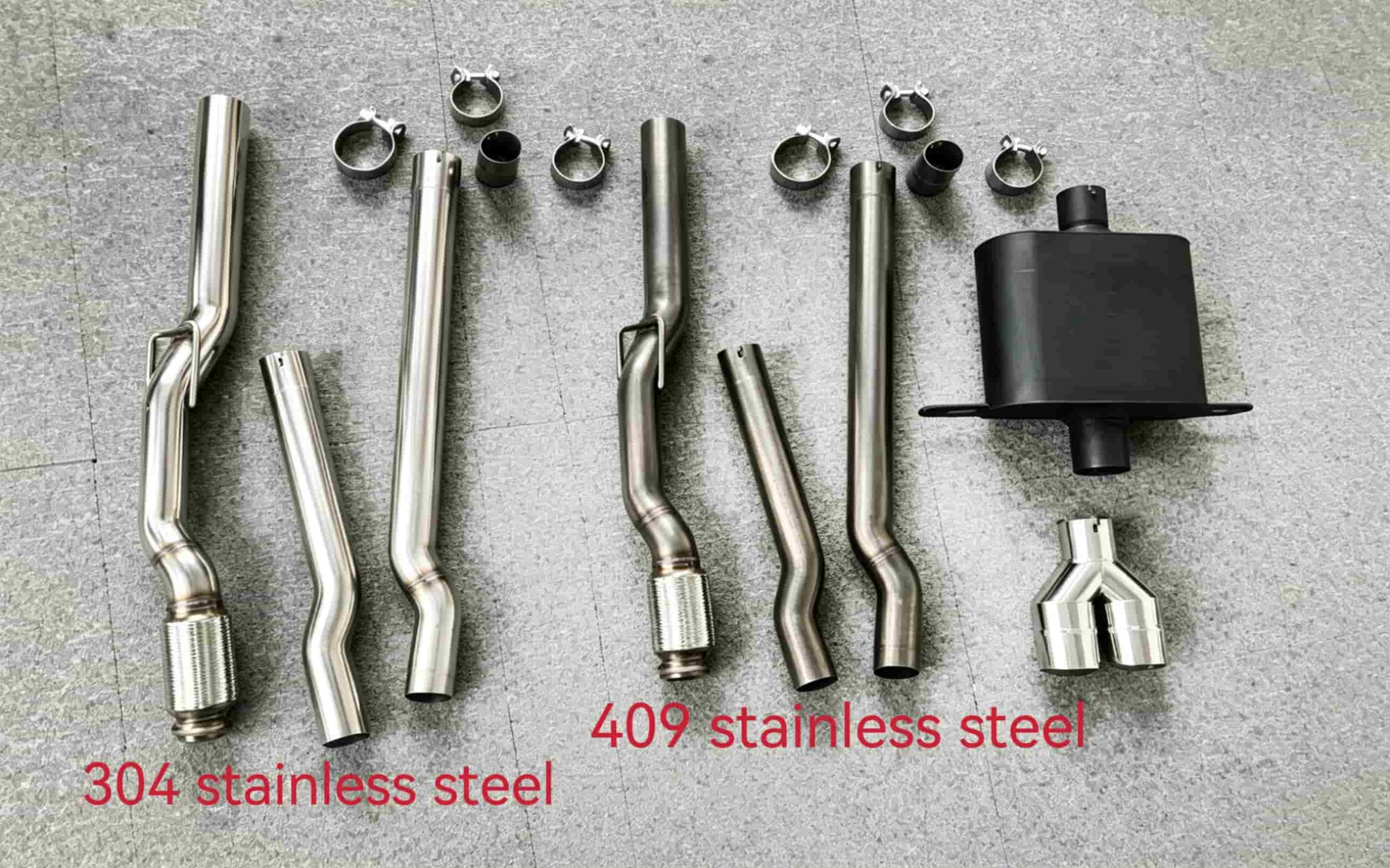
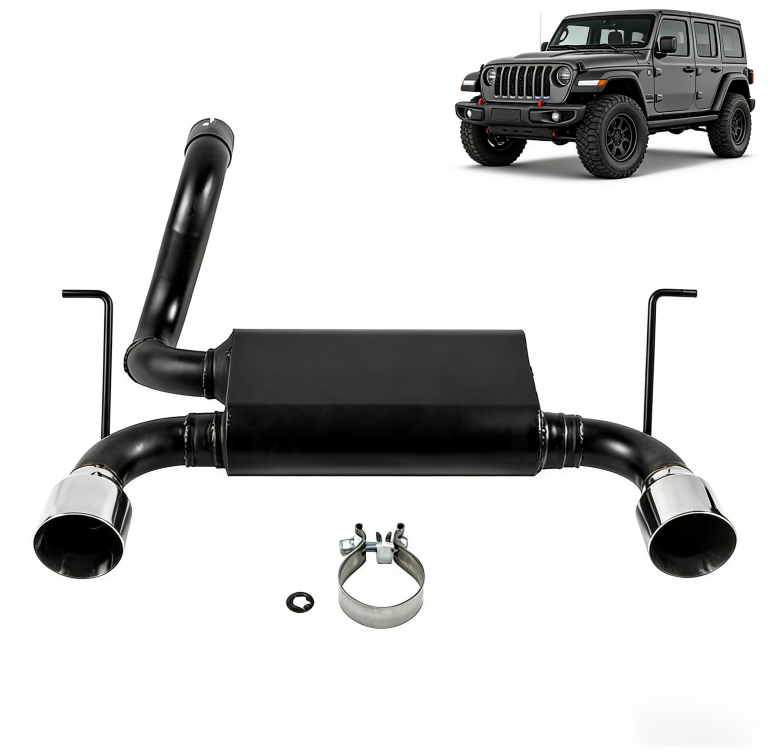
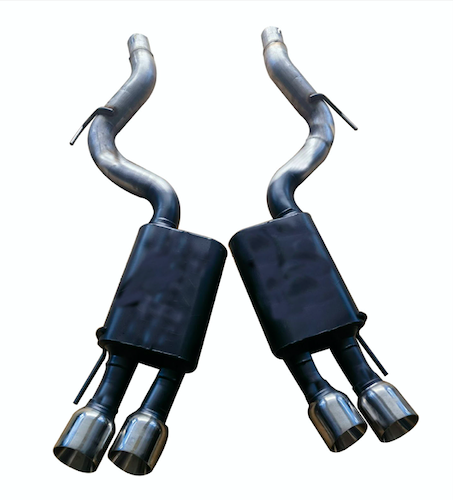
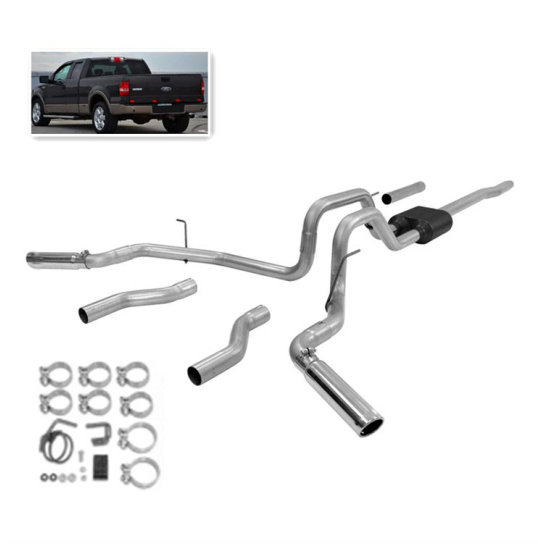
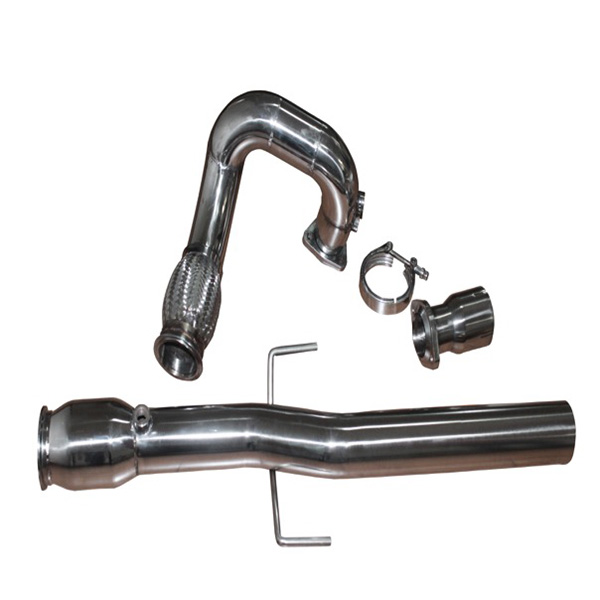
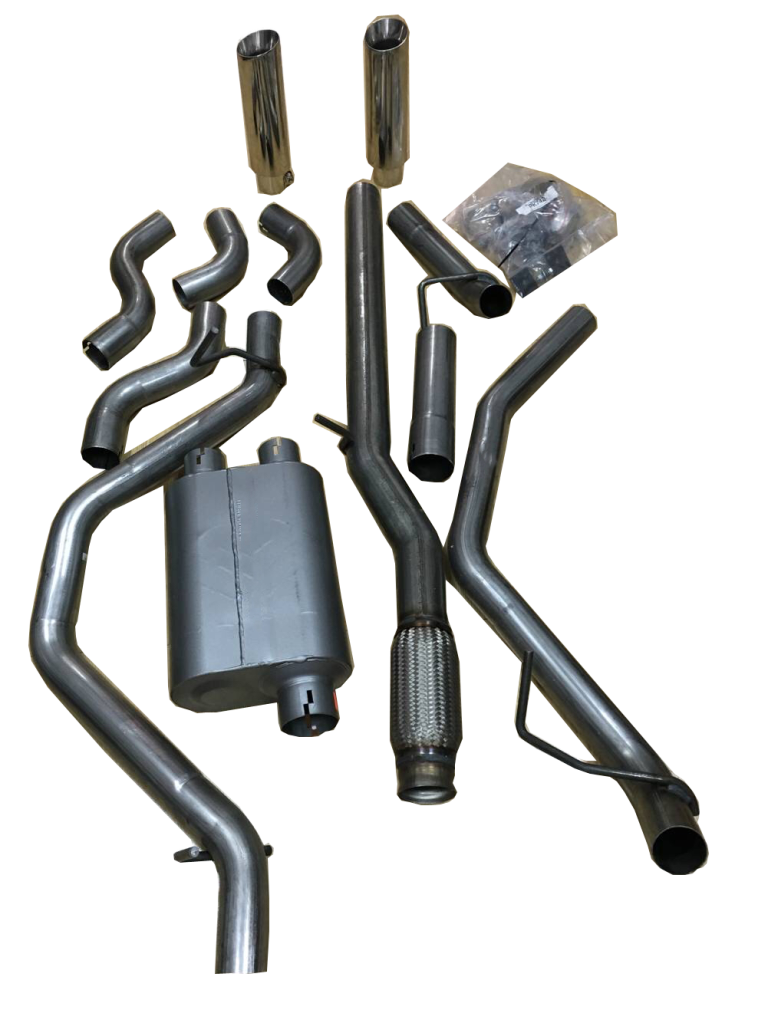
304 vs 409 cat-back exhaust material selection is one of the most important quality decisions for importers, wholesalers, and private-label buyers sourcing pickup truck exhaust systems. The stainless steel grade affects corrosion resistance, warranty risk, product positioning, customer reviews, and long-term brand reputation.
In the US pickup truck aftermarket, 304 and 409 stainless steel are two common material options. Both can be used for exhaust systems, but they serve different price levels and customer expectations.
For B2B buyers, understanding the difference between 304 and 409 stainless steel is essential before confirming samples or placing bulk orders.
Why Stainless Steel Grade Matters for Importers
A cat-back exhaust system is exposed to heat, moisture, vibration, road debris, and in many US states, road salt. Material quality affects how the product looks and performs after months or years of use.
For importers and wholesalers, the wrong material choice can create:
- Rust complaints
- Warranty claims
- Negative marketplace reviews
- Brand reputation damage
- Retail listing disputes
- Higher return rates
- Price-positioning problems
If a product is sold as a premium truck cat-back exhaust, buyers expect stronger corrosion resistance and better surface appearance. If the product is sold as a budget replacement system, price may be more important than long-term finish.
The key is not that one material is always right. The key is matching material grade with the target market and describing it accurately.
304 vs 409 Stainless Steel: Key Differences
The following 304 vs 409 cat-back exhaust comparison helps buyers understand which material fits different wholesale price levels and sales channels.
| Material | Main Feature | Best Use Case |
|---|---|---|
| 304 stainless steel | Higher corrosion resistance and premium appearance | Performance cat-back systems and private-label products |
| 409 stainless steel | Cost-effective and commonly used in OE-style exhausts | Budget exhaust systems and price-sensitive programs |
| Aluminized steel | Lower cost with surface coating protection | Entry-level replacement or short-term use |
For northern US markets such as Michigan, Ohio, Pennsylvania, New York, Illinois, Wisconsin, and Minnesota, corrosion resistance is especially important because road salt can accelerate rust.
For premium pickup truck exhaust programs, 304 stainless steel is often the preferred option. For cost-sensitive programs, 409 stainless steel can still be acceptable if the product is positioned clearly and honestly.
Why Material Claims Need Verification
One common sourcing issue is that suppliers may use the phrase “stainless steel” without clearly stating the grade. Some buyers assume they are receiving 304 stainless steel, while the quotation may actually be based on 409 stainless steel.
Another risk is partial material substitution. For example, the exhaust tip may be 304 stainless steel, while the main pipe or muffler body uses 409 stainless steel.
Importers should verify the material of each component:
| Component | What to Confirm |
|---|---|
| Main pipe | 304 or 409 stainless steel |
| Muffler shell | Material grade and thickness |
| Muffler internal structure | Material and construction |
| Exhaust tip | Finish and stainless grade |
| Flange | Material and thickness |
| Hangers | Material and welding strength |
| Hardware | Clamp, bolt, gasket, and installation kit |
A cat-back system should not be marketed as a full 304 stainless steel system if only the visible exhaust tip uses 304 material.
Ningbo U-Ray Auto Technology can support buyers with clear material communication for cat-back exhaust sourcing, helping distributors match product grade with their target retail positioning.
How Importers Can Verify Stainless Steel Grade
For wholesale orders, material verification should be part of the sourcing process. This is especially important for private-label brands selling through Amazon, eBay, Walmart Marketplace, performance parts websites, or regional distribution channels.
Recommended verification methods include:
| Verification Method | Purpose |
|---|---|
| Material Test Report | Confirms steel grade from material supplier |
| XRF testing | Checks chromium and nickel content |
| Salt spray test | Evaluates corrosion resistance |
| Production photos | Confirms component consistency |
| Pre-shipment inspection | Verifies bulk order matches approved sample |
XRF testing is useful because it can quickly identify whether stainless steel contains the expected chromium and nickel levels. For high-value private-label programs, third-party inspection before shipment can reduce disputes and quality claims.
Buyers should also compare the approved sample with mass production goods. A sample that uses the correct material does not automatically guarantee that every bulk order will match unless material control is part of the production process.
Welding Quality and Corrosion Risk
Material grade is important, but welding quality can decide real durability. A 304 stainless steel pipe with poor welding can still fail early if the weld zone becomes the corrosion starting point.
Importers should check:
- Weld bead consistency
- No visible porosity
- No undercut
- Clean joint alignment
- Proper hanger welding
- Strong flange welding
- Muffler inlet and outlet weld quality
- No excessive grinding that weakens the joint
The weld area is exposed to vibration, heat cycles, moisture, and road debris. Poor welding may cause cracking, exhaust leaks, rust marks, or installation complaints.
U-Ray applies controlled welding processes for cat-back and axle-back exhaust systems, supporting buyers who need consistent production quality across repeat wholesale orders.
Which Material Fits Your Sales Channel
Different sales channels require different product positioning.
| Sales Channel | Recommended Material Strategy | Buyer Priority |
|---|---|---|
| Premium private label | 304 stainless steel | Durability, appearance, brand trust |
| Performance shops | 304 stainless steel | Sound, finish, and long-term value |
| Regional wholesalers | 304 or 409 stainless steel | Balanced cost and quality |
| Marketplace sellers | Depends on price point | Accurate description and low return rate |
| Budget replacement market | 409 or aluminized steel | Cost control |
For premium truck owners, appearance and corrosion resistance are part of the buying decision. For budget buyers, price may matter more. The right choice depends on the buyer’s retail strategy, warranty policy, sales channel, and target region.
Importer Checklist Before Bulk Order
Before confirming a cat-back exhaust bulk order, buyers should ask:
- Is the entire system 304 stainless steel or only selected parts?
- What material is used for the pipe, muffler, tip, flange, and hanger?
- Can the supplier provide material confirmation?
- Does the sample material match the production material?
- Is welding quality documented with photos?
- Is corrosion resistance suitable for the target US region?
- Is the product description accurate for retail listing?
- Will material changes require buyer approval before production?
These questions help reduce warranty claims and prevent miscommunication between buyer and manufacturer.
Conclusion
For cat-back exhaust importers, choosing between 304 and 409 stainless steel is not only about cost. It affects durability, retail positioning, customer satisfaction, warranty risk, and brand trust.
304 stainless steel is better suited for premium pickup truck cat-back exhaust systems, especially in markets where corrosion resistance is a key selling point. 409 stainless steel can still be useful for budget or OE-style products, but buyers must position it correctly.
U-Ray supports B2B buyers with stainless steel cat-back exhaust manufacturing, vehicle-specific fitment, welding control, and OEM/ODM cooperation for North American pickup truck applications.