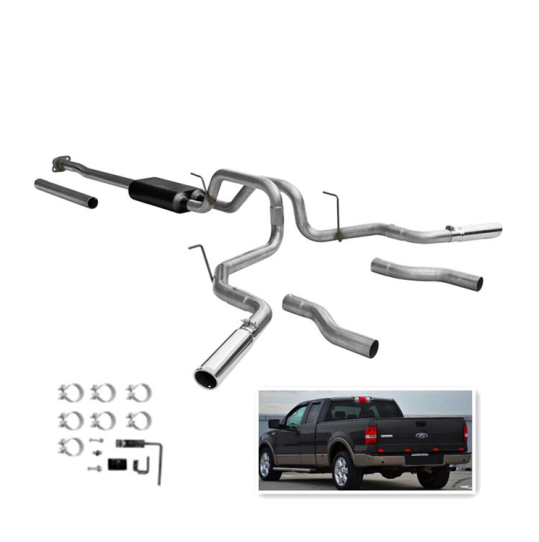
For importers sourcing Ford F-150 cat-back exhaust wholesale, this platform is the best-selling vehicle in the United States — and for cat-back exhaust wholesalers, that means volume. But it also means complexity. In over a decade of manufacturing exhaust systems for the North American truck aftermarket, we’ve seen more sourcing errors on F-150 programs than on any other platform. The reason is simple: buyers treat it like one SKU when it’s actually dozens.
This guide is written for importers, distributors, and private-label buyers who need to source F-150 cat-back exhaust systems in bulk — and get the fitment right the first time.
🔩 Why Ford F–150 Cat–Back Exhaust Wholesale Fitment Is More Complex Than It Looks
Most buyers search “Ford F-150 cat-back exhaust wholesale” expecting a straightforward product. The reality is that F-150 exhaust systems differ significantly across generations, and even within the same model year, multiple configurations exist.
According to Borla’s official F-150 buying guide, exhaust systems differ significantly between key generation breaks: 2009–2014, 2015, 2016, 2017–2020, and 2021–present — and always require exact year verification before fitment can be confirmed .
Key fitment variables include:
- Model year / generation — frame, chassis, and exhaust routing all changed
- Engine type — 5.0L V8, 3.5L EcoBoost, 2.7L EcoBoost, and hybrid variants
- Cab style — Regular, SuperCab, SuperCrew
- Bed length — 5.5 ft, 6.5 ft, 8 ft
- Wheelbase — directly affects pipe length and hanger position
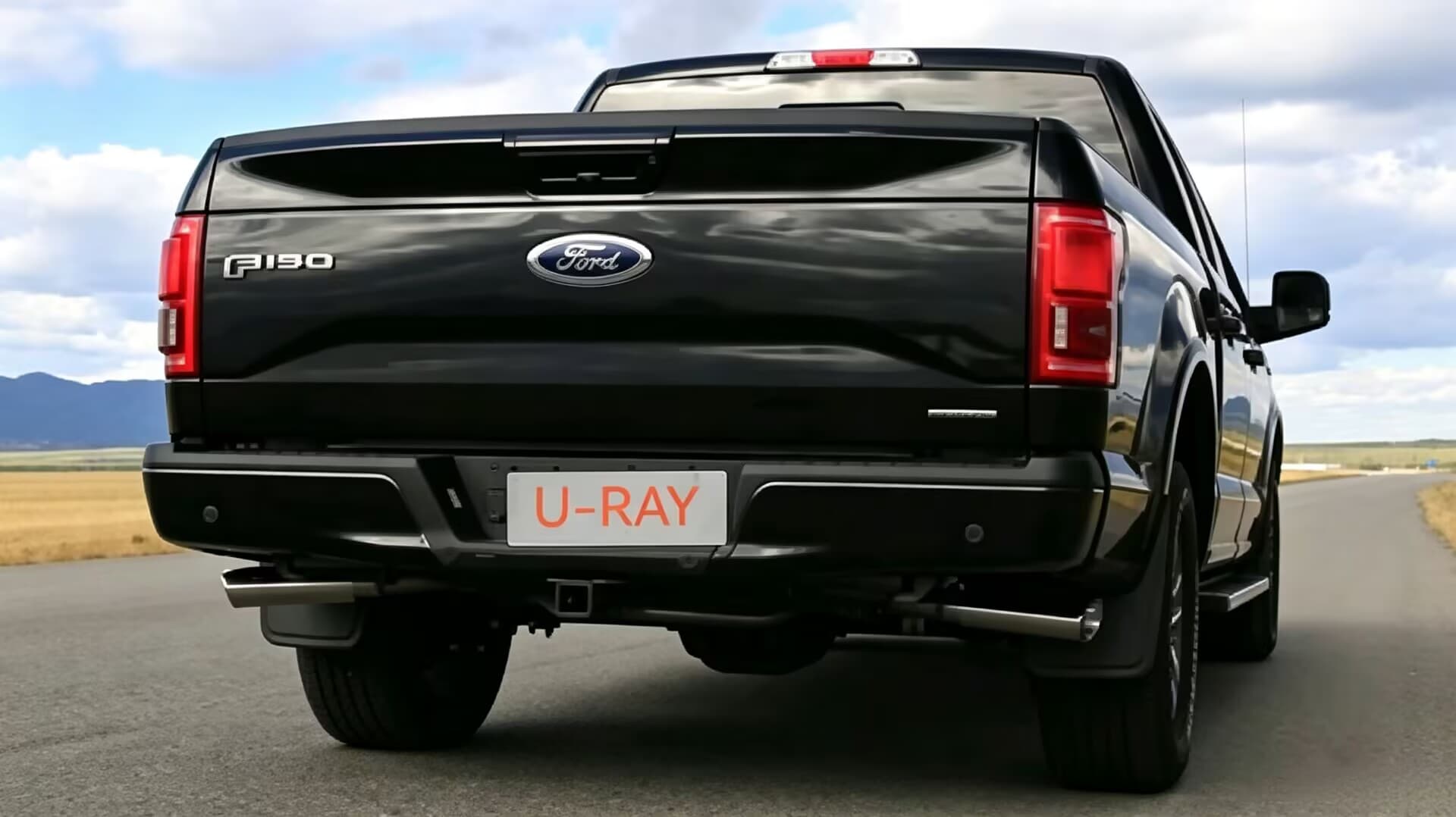
- Factory exhaust exit — single rear, dual rear, or side exit
- Bumper cutout design — varies by trim level and year
A system designed for a 2021 SuperCrew 5.5 ft bed will not fit a 2017 SuperCab 6.5 ft bed, even if both run the same engine. This is not a minor detail — it’s the difference between a clean installation and a return claim .
📋 F-150 Generation & Engine Application Breakdown
Here’s how we segment F-150 applications in our production planning:
| Generation | Model Years | Key Engines | Wholesale Notes |
|---|---|---|---|
| 12th Gen | 2009–2014 | 5.0L V8, 3.5L EB, 3.7L V6 | Cost-sensitive; older truck upgrade market |
| 13th Gen | 2015–2020 | 5.0L V8, 3.5L EB, 2.7L EB | Highest aftermarket volume; stable SKU demand |
| 14th Gen | 2021–present | 5.0L V8, 3.5L EB, 2.7L EB, 3.5L Hybrid | Premium finish expectations; new chassis routing |
For reference, CORSA Performance’s official F-150 application data provides a useful benchmark for generation-specific fitment expectations.One critical note on the 2021+ platform: Ford redesigned the frame and underbody significantly. Real-world testing has confirmed that previous-generation cat-back systems — including some Ford Performance parts — do not transfer to the 2021 F-150 without modification . Wholesale buyers sourcing “universal F-150” systems from unverified suppliers are at high risk here.
On the engine side, the F-150 forum community has documented that exhaust systems are not freely interchangeable even between trucks with identical wheelbases if engine configurations differ — particularly between the 3.5L EcoBoost and naturally aspirated V6/V8 variants .
🔍 Three Exhaust Configuration Types Importers Must Understand
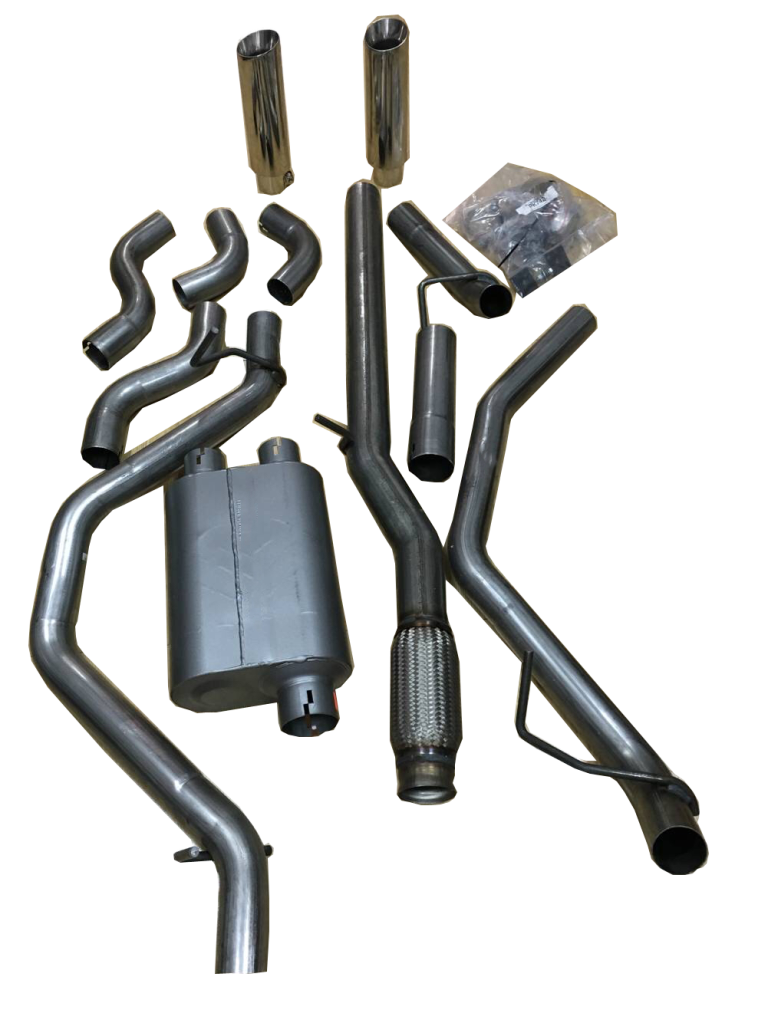
Based on F-150 platform documentation, there are three primary exhaust routing configurations that affect cat-back system design :
1. Single In / Single Out (SISO)
The most common configuration on base and mid-trim models. Straightforward pipe routing, lower tooling cost, easiest to stock.
2. Single In / Dual Out (SIDO)
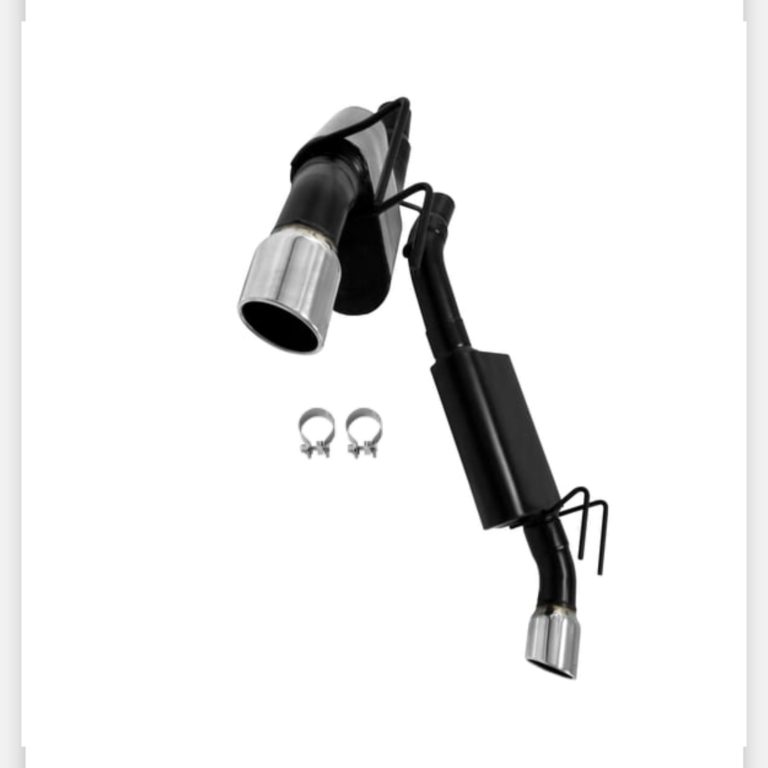
Popular upgrade configuration. Requires a Y-pipe or X-pipe split behind the muffler. Tip alignment with the bumper cutout is critical — a few millimeters of error is visible and generates complaints.
3. Dual In / Dual Out (DIDO)
Typically found on performance-oriented builds or aftermarket upgrades for the 5.0L V8. More complex routing, higher manufacturing precision required.
For wholesale programs, SISO and SIDO cover the majority of retail demand. DIDO systems are better suited to performance shop channels where buyers understand the product.
📐 Fitment Verification Points Before Bulk Production
We require every F-150 cat-back sample to pass a structured fitment check before approving production. Here’s what that looks like in practice:
| Fitment Point | What We Check | Common Failure Mode |
|---|---|---|
| Pipe routing | Clears chassis, spare tire, and suspension | Contact rattle under load |
| Hanger position | Matches OEM rubber isolator locations | Stress cracks at welds |
| Flange angle | Seals flush against cat outlet | Exhaust leak at connection |
| Muffler placement | Adequate ground clearance | Scraping on inclines |
| Tip exit position | Centered in bumper cutout | Visible misalignment |
| Pipe diameter | Application-appropriate (typically 3″) | Flow restriction or drone |
| Wheelbase-specific length | Matches 122.8″ vs 145″ WB variants | Pipe too short or too long |
CORSA’s application data for the 2021–2024 F-150 5.0L V8 specifically distinguishes fitment by 122.8″ wheelbase — illustrating exactly why wheelbase must be part of every SKU spec, not an afterthought .
💡 MOQ Strategy for F-150 Wholesale Programs
Because the F-150 spans so many configurations, MOQ discipline is essential. A buyer who over-commits on the wrong variant will sit on inventory that doesn’t move.
Our recommended approach for new F-150 programs:
- Start with 2015–2020, 5.0L V8, SuperCrew, 5.5 ft bed — this is the highest-volume single application in the US aftermarket
- Add 3.5L EcoBoost as the second SKU — drone control and flow balance are the key selling points here
- Hold the 2021+ platform until you have confirmed fitment validation from your supplier
- Combine F-150 orders with Silverado or RAM SKUs to meet container minimums without over-indexing on one platform
- Track return reasons on the first order before scaling — fitment complaints reveal supplier data errors early
📦 Packaging Requirements for F-150 Cat-Back Systems
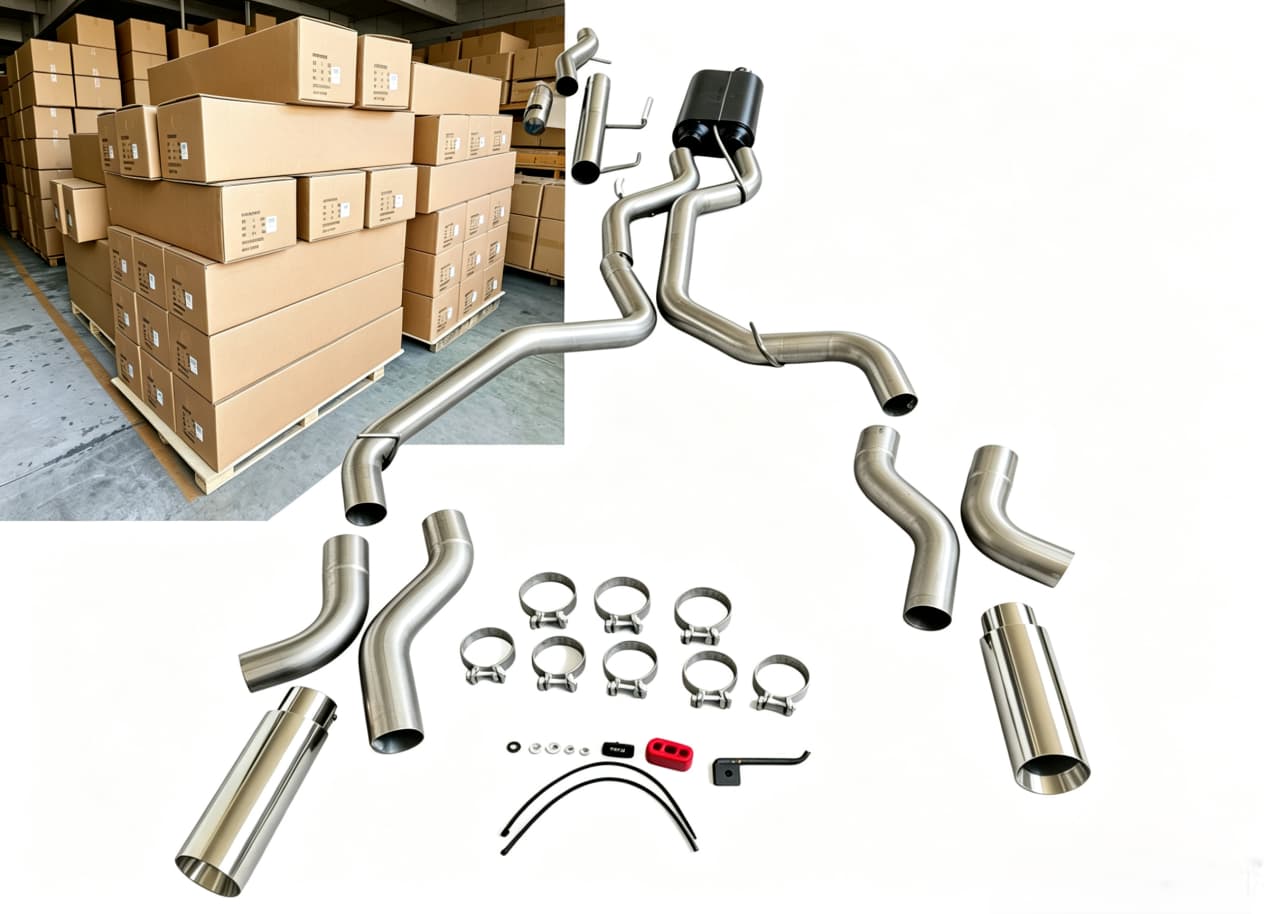
F-150 cat-back systems are long, heavy, and include polished or coated visible components. Packaging damage is one of the top causes of marketplace returns — and it’s entirely preventable.
Minimum packaging requirements we enforce:
- Individual tip wrapping (foam sleeve or bubble wrap)
- Pipe separation inside carton (no metal-on-metal contact)
- Flange face protection (cardboard cap or foam insert)
- Muffler body protection (shrink wrap or foam sheet)
- Hardware bagged and labeled separately
- SKU and application label on carton exterior
- Pallet configuration documented for container loading
For Amazon and marketplace channels, packaging quality directly affects star ratings. A scratched tip or a dented pipe end — even if the system fits perfectly — will generate a negative review that costs more to recover from than the part itself.
✅ F-150 Wholesale Sourcing Checklist
Before placing any bulk order on an F-150 cat-back program, confirm the following:
| Checklist Item | Why It Matters |
|---|---|
| Exact model year range | Generation breaks change routing entirely |
| Engine application | Affects pipe diameter, muffler tuning, drone behavior |
| Cab and bed configuration | Determines pipe length and hanger spacing |
| Wheelbase specification | Required for accurate pipe length |
| Exit style (single/dual/side) | Must match bumper cutout and customer expectation |
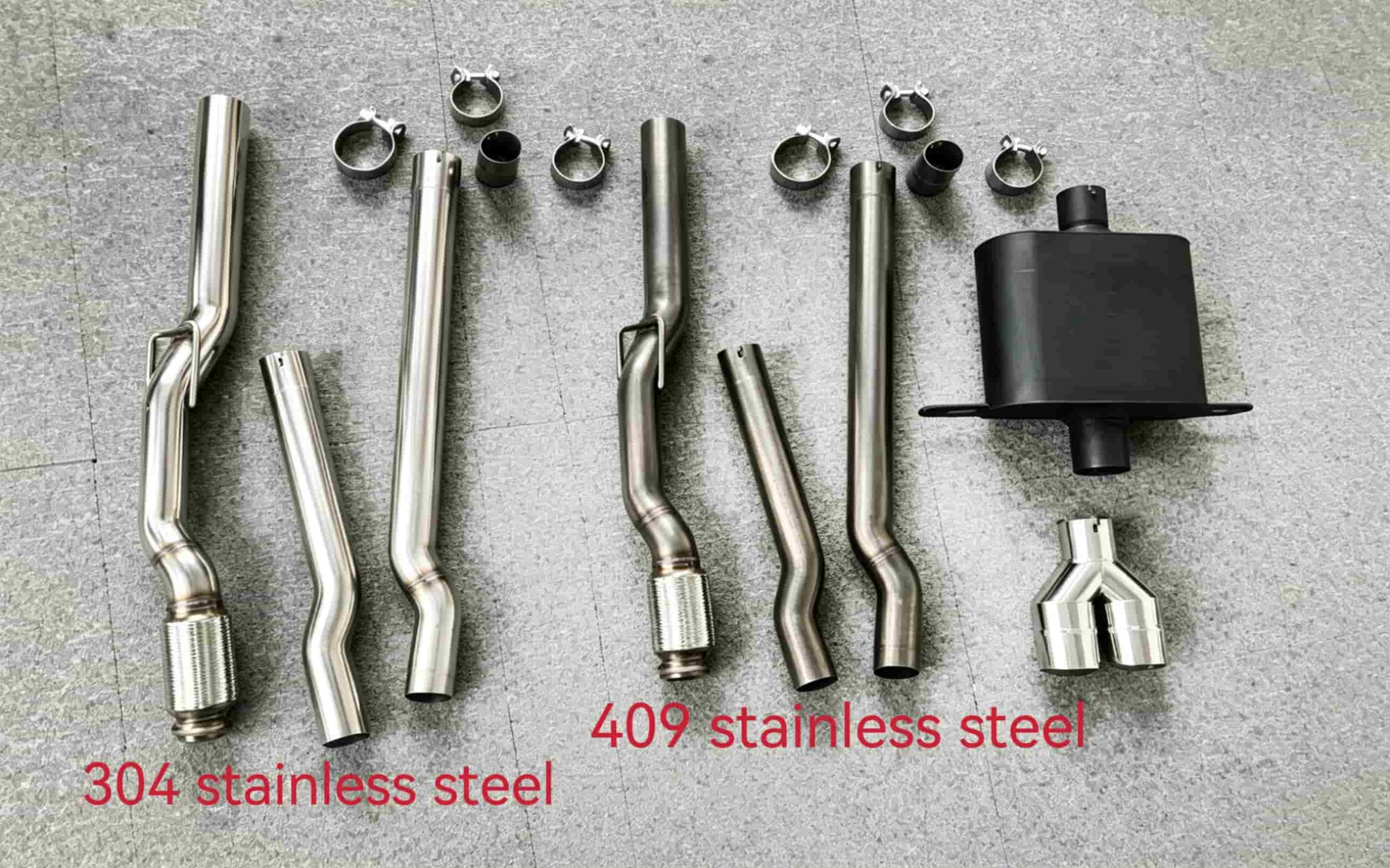
| Material grade (304 vs 409) | Defines product positioning and price point |
| Weld quality standard | Affects durability and appearance under inspection |
| Packaging method | Reduces damage claims and marketplace returns |
| MOQ per SKU | Controls inventory risk across configurations |
| Private label requirements | Part numbers, packaging, and tip branding |
Conclusion
The Ford F-150 is a genuine high-volume opportunity in the North American truck exhaust aftermarket — but only for buyers who treat Ford F-150 cat-back exhaust wholesale sourcing as a technical discipline, not a checkbox. Generation breaks, engine variants, wheelbase differences, and exit configurations all create real sourcing risk if not properly managed .
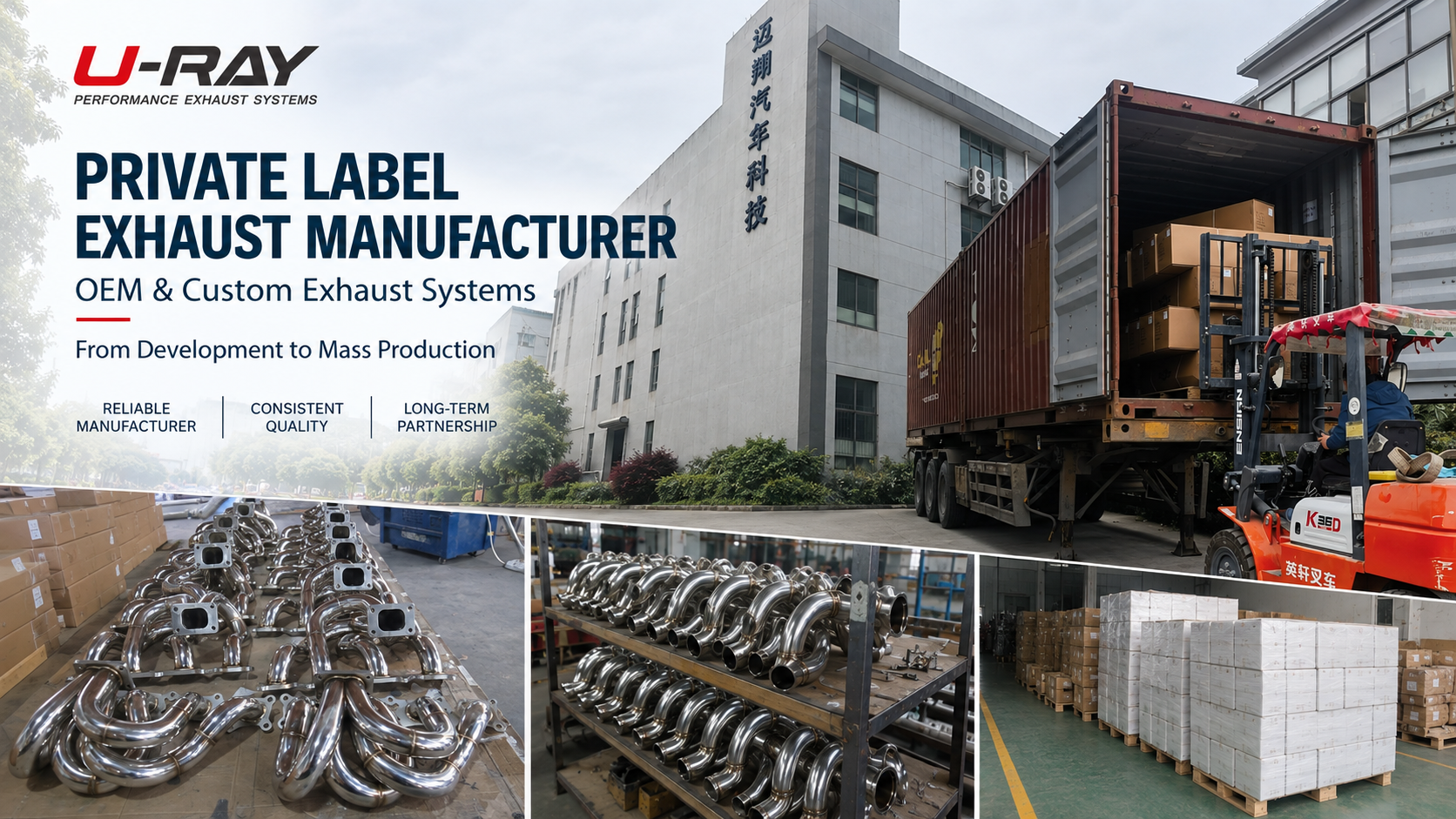
At Ningbo U-Ray Auto Technology, we develop F-150 cat-back exhaust systems with vehicle-specific fitment data, supporting importers and private-label brands who need production consistency and accurate application coverage for US truck programs. Every SKU we produce is validated against confirmed vehicle data — not generic descriptions.