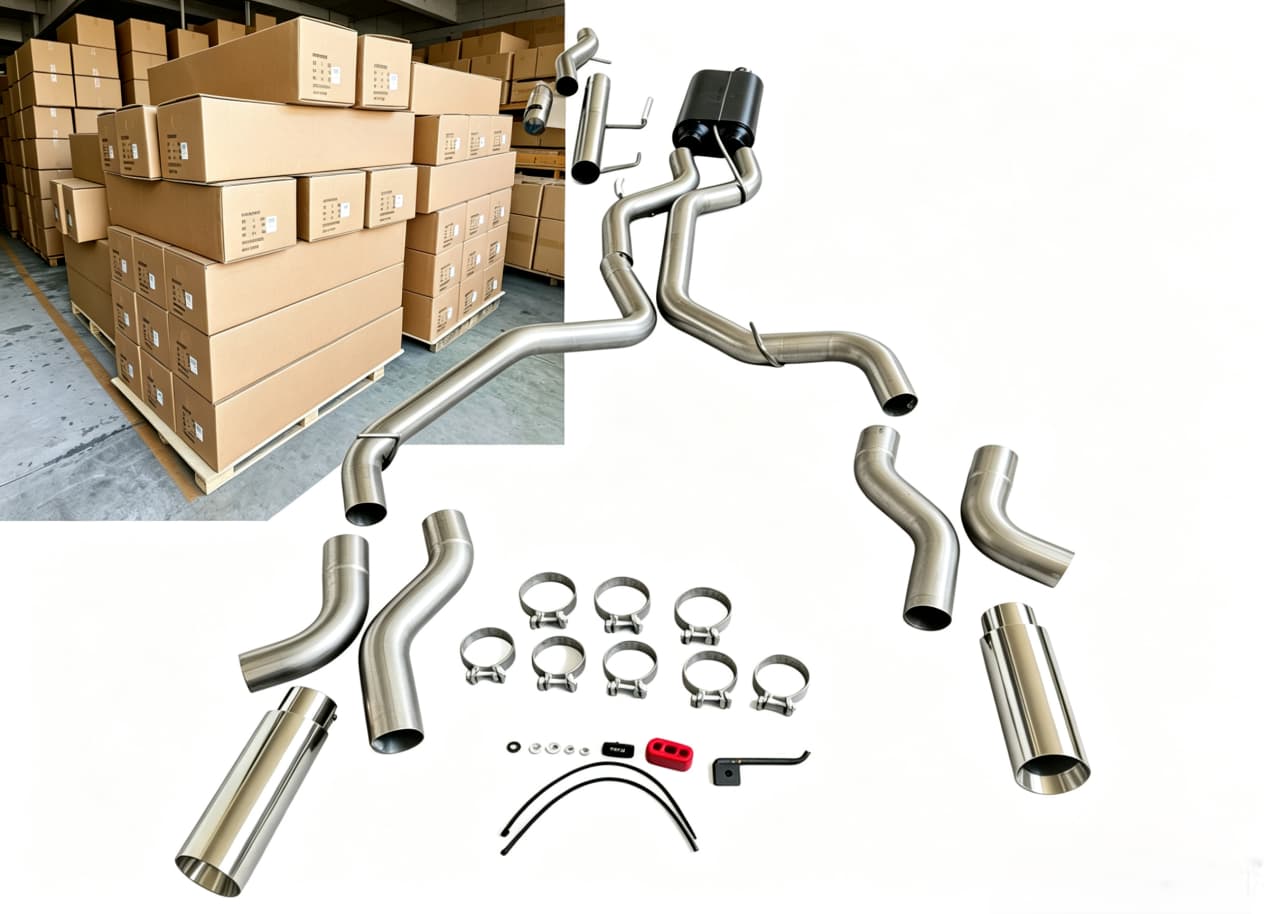
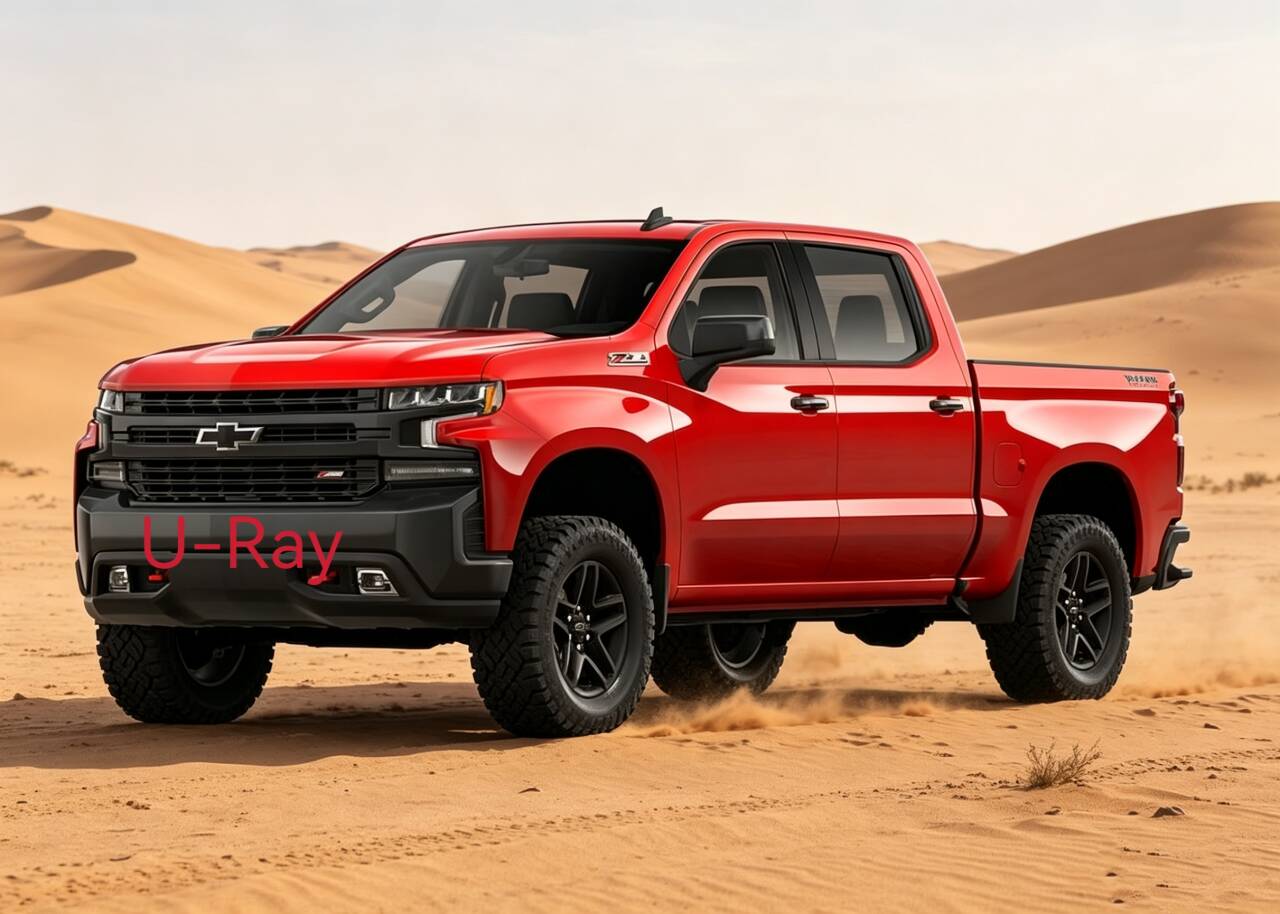
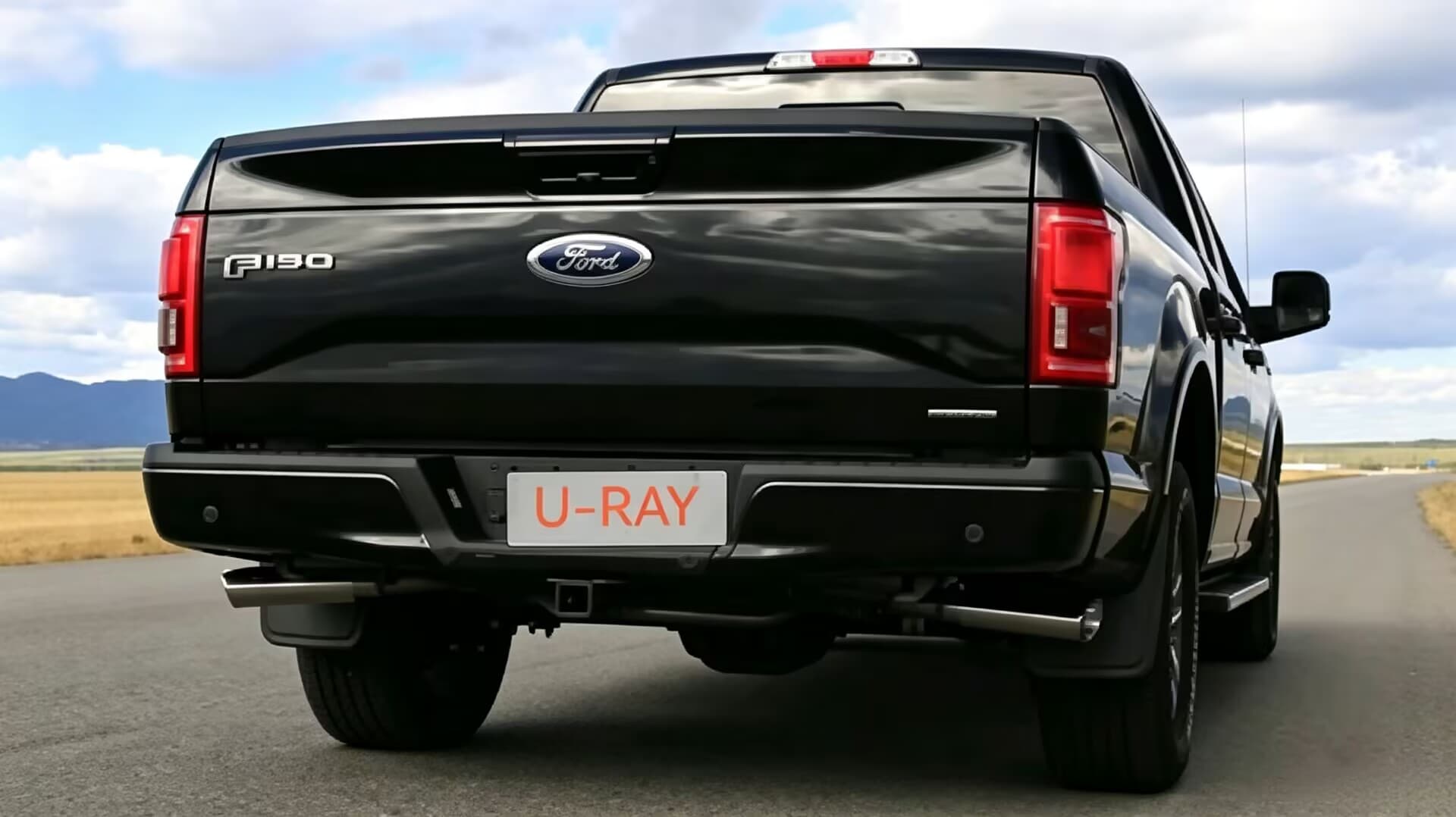
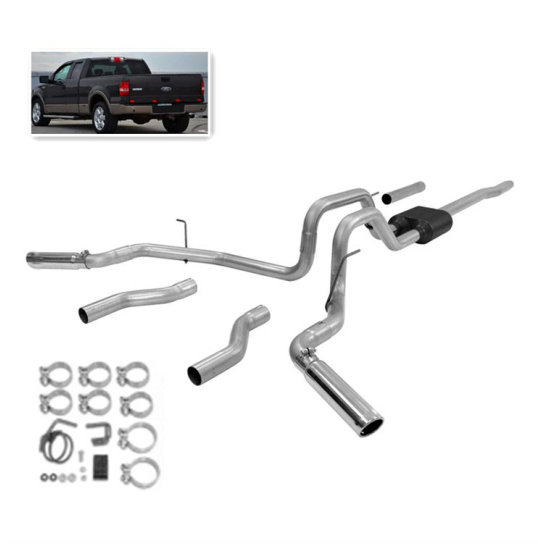
For importers sourcing Chevy Silverado cat-back exhaust wholesale, the Silverado is the second-highest-volume pickup truck platform in the US aftermarket — and in many distributor catalogs, it sits directly alongside Ford F-150 and RAM 1500 as a core SKU. But the Silverado is not a single product. The 1500 and 2500HD serve fundamentally different buyers, run different chassis architectures, and require different sourcing logic entirely.
This guide is written for B2B buyers who need to build a Silverado exhaust program that holds up — in fitment, in material, and in inventory planning.
🔩 Why Chevy Silverado Cat-Back Exhaust Wholesale Fitment Is Not Straightforward
The Silverado 1500 has gone through two major platform changes in the past decade. These are not cosmetic refreshes — they involve chassis geometry, underbody routing, and hanger placement that directly affect whether a cat-back system fits.
Key generation breaks for Silverado 1500:
| Generation | Model Years | Platform Code | Wholesale Notes |
|---|---|---|---|
| K2 | 2014–2018 | GMT K2XX | High aftermarket volume; stable SKU demand |
| T1 | 2019–present | GMT T1XX | New frame; not compatible with K2 systems |
For reference on Silverado platform specifications and model year changes, the official Chevrolet Silverado 1500 overview provides a useful baseline for generation and trim verification. According to GM’s official platform documentation, the T1 (2019+) Silverado 1500 uses a new mixed-material frame and a completely redesigned underbody. Cat-back systems developed for the 2014–2018 K2 platform will not fit the 2019+ T1 platform, even on trucks with the same engine and cab configuration. This is the most common sourcing error we see on Silverado programs.
Key fitment variables that must be confirmed before bulk production:
- Model year and platform generation — K2 vs T1 chassis routing differs
- Engine application — 5.3L V8, 6.2L V8, 2.7L Turbo, 3.0L Duramax diesel
- Cab configuration — Regular Cab, Double Cab, Crew Cab
- Bed length — 5’8″, 6’6″, 8’2″
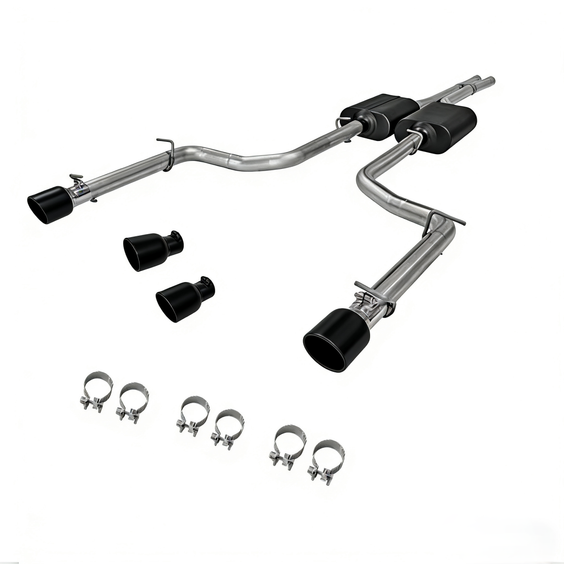
- Exhaust exit style — single rear, dual rear, or dual side exit
- Trim level — affects bumper cutout design and tip visibility
A Silverado 1500 system built for a 2021 Crew Cab 5’8″ bed with the 5.3L V8 will not install correctly on a 2017 Double Cab 6’6″ bed with the same engine. Wheelbase, hanger spacing, and pipe length are all different.
🚛 Silverado 1500 vs 2500HD: Two Different Sourcing Programs
This is where many importers make a structural mistake — treating the 1500 and 2500HD as variations of the same product. They are not. They require separate development, separate positioning, and separate channel strategy.
| Platform | Chassis | Primary Buyer | Key Engines | Product Focus |
|---|---|---|---|---|
| Silverado 1500 | GMT T1XX (2019+) | Lifestyle, daily driver, performance | 5.3L V8, 6.2L V8, 2.7L Turbo | Sound quality, dual tip appearance, tone |
| Silverado 2500HD | GMT K2XX-HD | Work truck, towing, fleet | 6.6L Duramax diesel, 6.6L V8 gas | Flow capacity, heat resistance, durability |
Silverado 1500: The Volume SKU
The 1500 is where aftermarket volume concentrates. The 5.3L V8 is the dominant engine application — it has a strong enthusiast base and responds well to cat-back upgrades in terms of sound and appearance. The 6.2L V8 is a smaller but higher-value segment: buyers in this group typically have higher expectations for finish quality and tip design.
The 2.7L Turbo four-cylinder is growing in share as GM pushes it as a fuel-efficiency option, but aftermarket exhaust demand for this engine is currently limited. For a first Silverado 1500 wholesale program, the 5.3L V8 on the T1 platform (2019–present) is the most defensible starting point.
Silverado 2500HD: A Different Technical Brief
The 2500HD runs the 6.6L Duramax diesel in its most popular configuration. Diesel cat-back systems have different engineering requirements: higher exhaust gas temperatures, greater backpressure sensitivity, and buyers who prioritize function over aesthetics.
Importers should not develop a 2500HD diesel system using the same design logic as a 1500 gas system. Pipe wall thickness, muffler internal construction, and hanger load capacity all need to be specified differently.
The 2500HD is not a high-volume marketplace SKU. It is better suited to performance shop channels, fleet suppliers, and regional distributors who serve working truck buyers. Importers new to Silverado programs should validate 1500 demand before committing to 2500HD tooling.
🔍 Three Exit Configurations That Drive SKU Decisions
Based on Silverado platform documentation and production data from our own T1-platform programs, three exhaust exit configurations cover the majority of retail demand:
1. Single Rear Exit
Standard configuration on base and work-trim Silverados. Lower tooling cost, straightforward fitment. Appropriate for 409 stainless programs targeting price-sensitive channels.
2. Dual Rear Exit
The most popular upgrade configuration for 1500 buyers. Requires precise tip alignment with the bumper cutout — misalignment of even a few millimeters is visible and generates marketplace complaints. This is the configuration where tip-to-bumper fitment validation matters most.
3. Dual Side Exit
A niche configuration popular in the custom truck segment. Requires specific bumper cutout compatibility and is trim-level dependent. Not recommended for a first wholesale program — better suited to performance shop channels with informed buyers.
For a standard Silverado wholesale catalog, single rear and dual rear exit cover the majority of demand and represent the lowest inventory risk.
📐 Fitment Verification Points Before Bulk Production
Every Silverado cat-back sample we produce goes through a structured fitment check before production is approved. The failure modes below are based on real complaints we have documented across Silverado programs:
| Fitment Point | What We Check | Common Failure Mode |
|---|---|---|
| Pipe routing | Clears spare tire, frame rail, and suspension | Contact rattle under load |
| Hanger position | Matches OEM rubber isolator locations | Stress cracks at weld joints |
| Flange angle | Seals flush against cat outlet | Exhaust leak at connection point |
| Muffler clearance | Adequate ground clearance on all cab/bed combos | Scraping on inclines |
| Tip exit position | Centered in bumper cutout by trim level | Visible misalignment in listing photos |
| Pipe diameter | 3″ for 5.3L V8; confirmed per engine | Flow restriction or resonance |
| Wheelbase-specific length | Matched to 143.5″ vs 153.0″ WB variants | Pipe too short or too long |
The wheelbase point is frequently overlooked. The Silverado 1500 Crew Cab short bed and Crew Cab standard bed have different wheelbases, and this directly affects pipe length. A system that fits one will not necessarily fit the other.
💡 Material Selection: Matching Grade to Channel
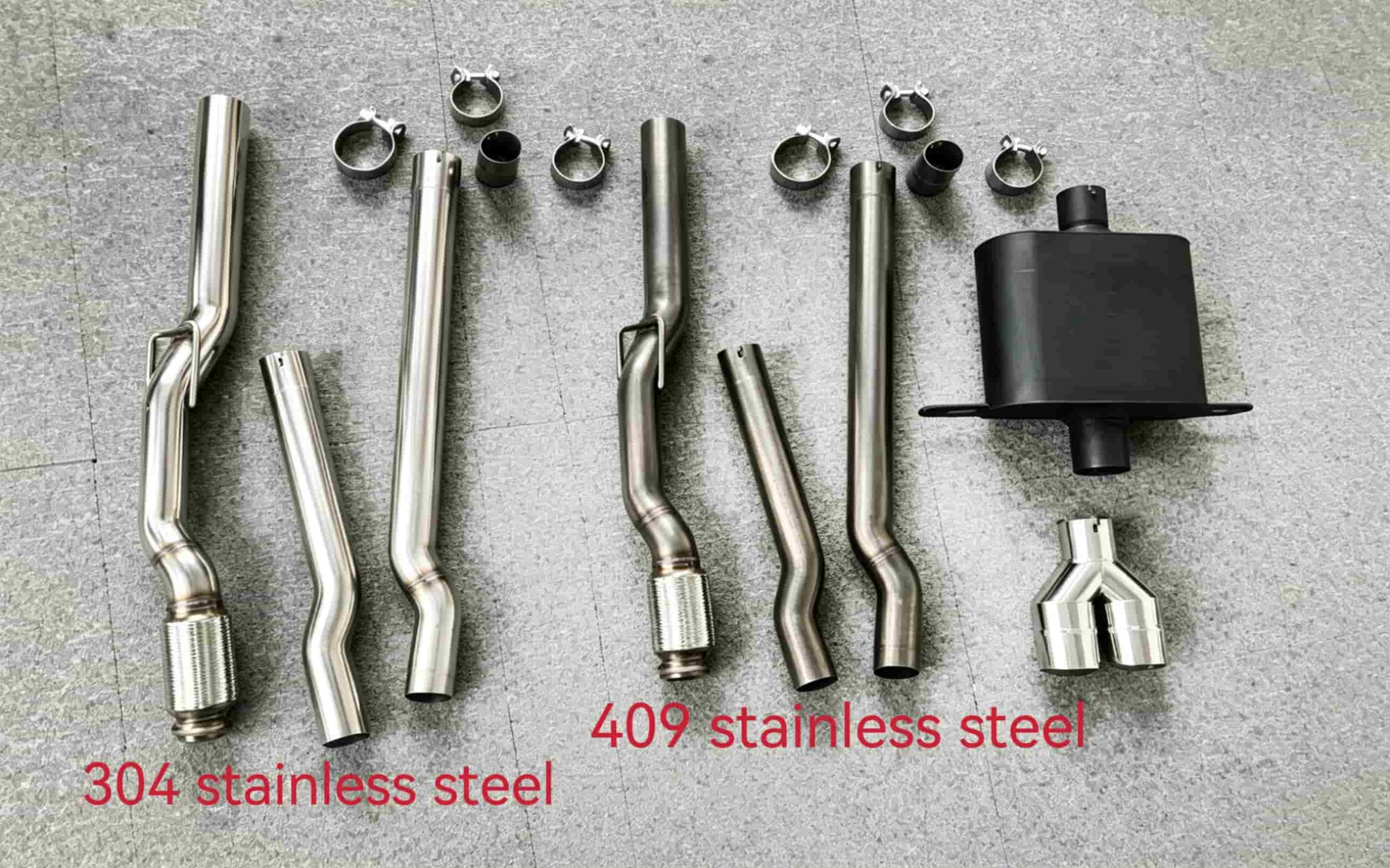
Material choice for Silverado programs follows the same logic we outlined in our 304 vs 409 Cat-Back Exhaust Importer Quality Guide, but the Silverado market has some channel-specific considerations worth noting.
| Material | Best Application | Silverado Channel Fit |
|---|---|---|
| 304 stainless steel | Premium aftermarket, private label, northern US | Amazon, performance shops, brand programs |
| 409 stainless steel | Mid-range, OE-style replacement | Regional wholesale, price-sensitive channels |
| Aluminized steel | Entry-level replacement | Not recommended for branded programs |
One Silverado-specific consideration: the 1500 lifestyle buyer is more likely to inspect the exhaust tip finish closely and photograph it for social media. Surface quality on the visible components — particularly the tip — matters more in this segment than in a work-truck application. A 409 pipe body with a polished 304 tip is a common cost-control approach, but the material split must be disclosed accurately in product listings and purchase agreements.
For Silverado 2500HD diesel programs, 304 stainless steel is strongly recommended. Diesel exhaust runs hotter and the thermal cycling stress on lower-grade materials is more severe.
📦 MOQ Strategy for Silverado Wholesale Programs
Because the Silverado spans two major platform generations, two distinct chassis families, and multiple engine applications, MOQ discipline is critical. Over-committing on the wrong variant is a common and expensive mistake.
Recommended entry sequence for new Silverado programs:
- Start with: 2019–present T1, 5.3L V8, Crew Cab, 5’8″ bed, dual rear exit — this is the highest-volume single application in the current aftermarket
- Add second: 2019–present T1, 5.3L V8, Crew Cab, 6’6″ bed — same engine, different pipe length
- Hold: 6.2L V8 and 2.7L Turbo applications until first-order sell-through is confirmed
- Defer: 2500HD programs until 1500 channel is established
- Combine: Silverado orders with F-150 and RAM 1500 SKUs to meet container minimums without over-indexing on one platform
Track return reasons on the first order before scaling. Fitment complaints on the first shipment reveal supplier data errors early — before they become a pattern.
📋 Silverado Wholesale Sourcing Checklist
Before confirming any bulk Silverado cat-back order, verify the following:
| Checklist Item | Why It Matters |
|---|---|
| Platform generation (K2 vs T1) | Frame and routing are not interchangeable |
| Exact model year range | Prevents cross-generation fitment errors |
| Engine application | Affects pipe diameter, muffler tuning, sound profile |
| Cab and bed configuration | Determines pipe length and hanger spacing |
| Wheelbase specification | Required for accurate pipe length on multi-bed SKUs |
| Exit style (single / dual rear / side) | Must match bumper cutout and buyer expectation |
| Material grade per component | Pipe, muffler, tip, flange — each confirmed separately |
| Weld quality standard | Visual and structural inspection criteria |
| Tip finish and style | Polished, brushed, black-coated — confirmed on sample |
| Packaging method | Tip protection, pipe separation, hardware bagging |
| MOQ per SKU | Controls inventory risk across configurations |
| Private label requirements | Part numbers, packaging, branding confirmed before production |
This checklist should be reviewed at sample approval and again before mass production sign-off. For a complete RFQ template covering all these points, see our Cat-Back Exhaust RFQ Checklist for US Truck Importers.
Conclusion
The Chevy Silverado is a genuine high-volume opportunity for US truck exhaust importers — but only when the 1500 and 2500HD are treated as separate sourcing programs, and only when platform generation breaks are respected. A buyer who sources a K2-era system and tries to sell it as a T1 fitment will generate returns. A buyer who starts with the right T1 application, validates fitment on a confirmed sample, and scales from there will build a defensible catalog position.
At Ningbo U-Ray Auto Technology, we develop Silverado cat-back exhaust systems with vehicle-specific fitment data for both the K2 and T1 platforms, supporting importers and private-label brands who need production consistency and accurate application coverage for US truck programs.