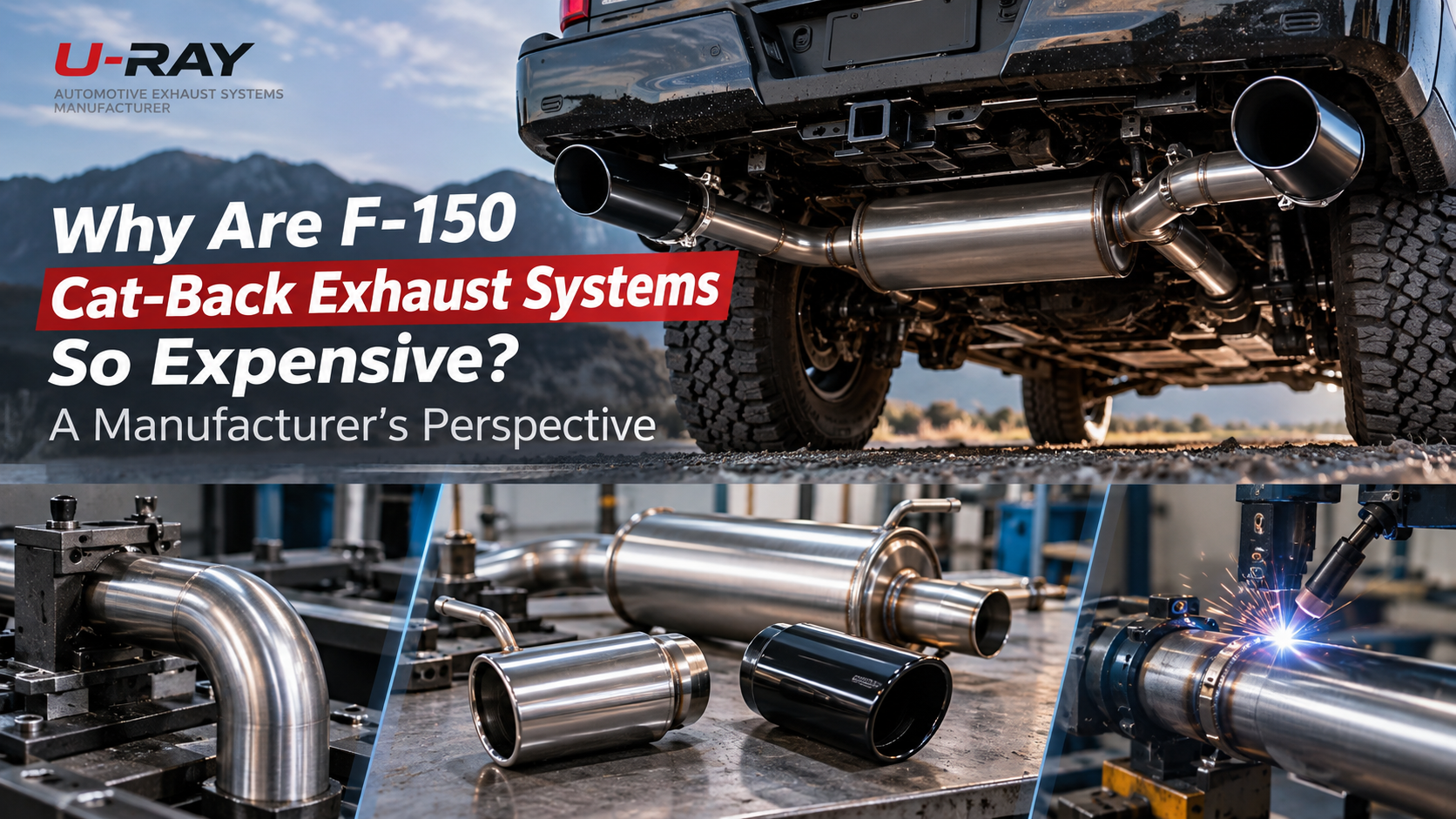
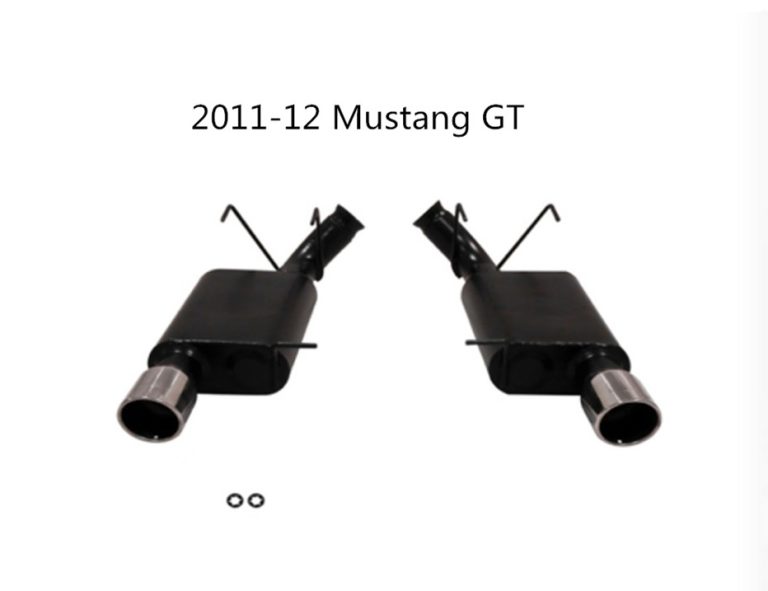
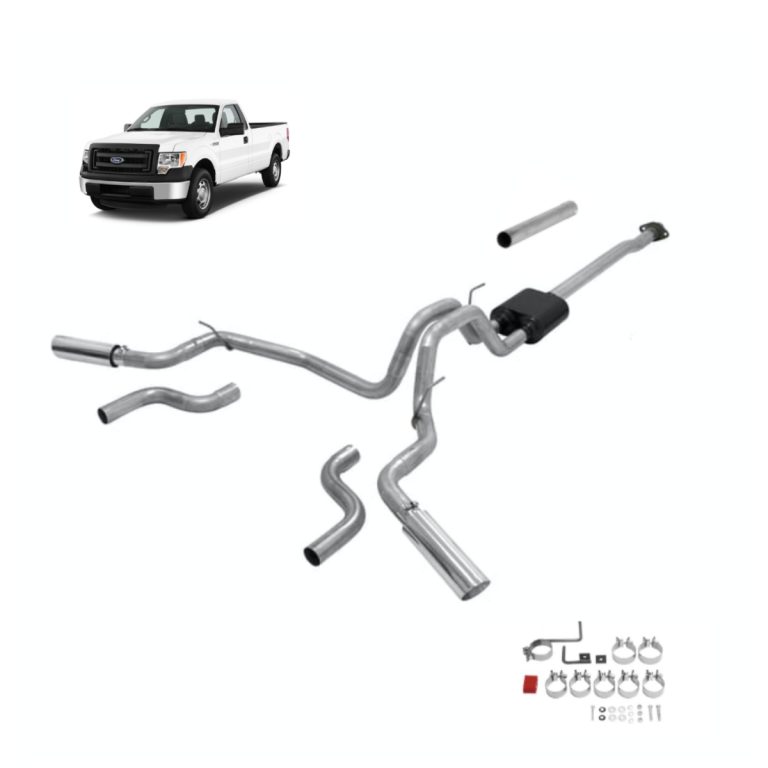
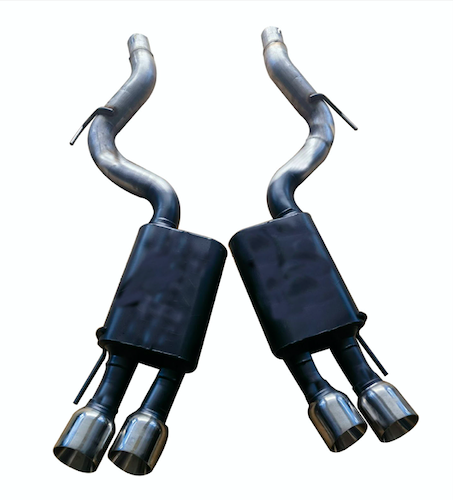
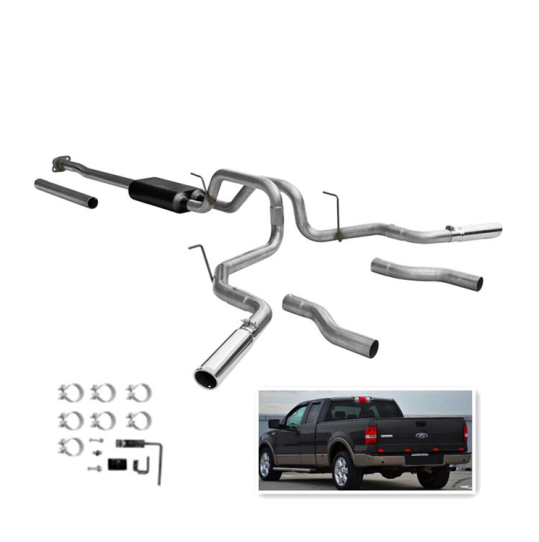
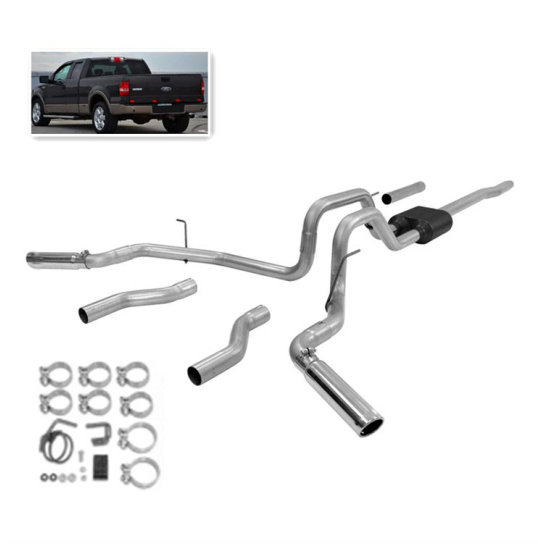
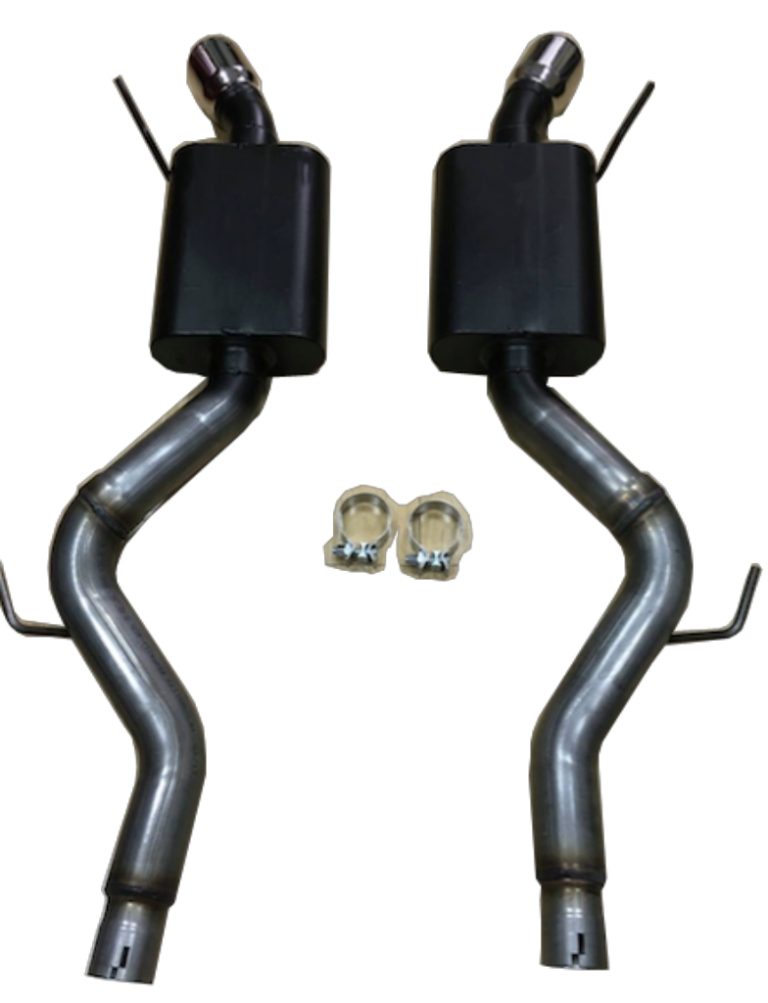
Upgrading a truck exhaust system sounds simple at first. Many truck owners expect a deeper sound, better performance, or a more enjoyable driving experience after installing a new cat-back exhaust system. However, not every exhaust upgrade delivers the result they expect.
Some systems become too loud during highway driving. Some create uncomfortable cabin drone. Others may not fit properly or may fail to match the truck’s engine output, driving conditions, or long-term use.
So, how do you choose the right cat-back exhaust system for your truck?
The answer depends on more than sound. A well-designed cat-back exhaust system should balance exhaust flow, pipe diameter, muffler structure, material quality, fitment accuracy, and real driving needs.
Why Choosing the Wrong Cat-Back Exhaust System Can Be a Problem
Many truck owners choose an exhaust system based mainly on online sound clips, appearance, or pipe size. While these factors are important, they do not tell the whole story.
Every truck has different requirements depending on its engine, chassis design, usage environment, and driver expectations.
For example:
- A daily-driven pickup truck usually needs a balanced sound with limited cabin drone.
- An off-road truck may require stronger materials and better ground clearance.
- A towing truck often needs stable low-end torque instead of maximum exhaust volume.
- A performance truck may require better exhaust flow and reduced restriction.
Installing the loudest muffler or the largest pipe does not always improve performance. In some cases, oversized exhaust tubing may reduce exhaust gas velocity and affect throttle response, especially at lower RPM.
This is why choosing the right cat-back exhaust system requires a more practical understanding of how the truck is actually used.
Key Factors to Consider Before Choosing a Cat-Back Exhaust System
A good exhaust system should be matched to the vehicle, not just selected by size or sound. Below are the main factors truck owners and aftermarket buyers should consider before making a decision.
1. Pipe Diameter Should Match the Engine
Pipe diameter is one of the most important parts of exhaust system design.
Many people assume that bigger pipes always mean more power. In reality, the pipe diameter must match the engine’s airflow needs. If the pipe is too small, it may restrict exhaust flow. If it is too large, exhaust velocity may drop, which can affect low-end response.
A properly designed cat-back exhaust system should balance:
- Exhaust flow
- Exhaust velocity
- Backpressure control
- Sound quality
- Engine response
For many pickup trucks, mandrel-bent tubing with the correct diameter performs better than oversized universal exhaust pipes.
Mandrel bending is especially important because it helps maintain a consistent pipe diameter through the bends. This allows smoother exhaust flow and reduces unnecessary restriction.
2. Muffler Design Affects Sound and Comfort
The muffler is not only responsible for sound. It also affects driving comfort.
Different muffler designs create different sound characteristics:
| Muffler Type | Main Feature | Suitable Use |
|---|---|---|
| Chambered muffler | Deep and aggressive tone | Muscle-style truck sound |
| Straight-through muffler | Higher exhaust flow | Performance-focused applications |
| Resonated system | Helps reduce drone | Daily driving and highway use |
A truck that sounds good during a short test may become uncomfortable on long drives if the muffler is not properly matched. Cabin drone is one of the most common complaints after an exhaust upgrade.
For daily-driven trucks, a balanced muffler and resonator design can create a deeper exhaust tone without making the cabin too noisy.
3. Material Quality Determines Long-Term Durability
Truck exhaust systems work in demanding conditions. They are exposed to water, mud, road salt, heat, vibration, and changing weather.
Because of this, material selection matters.
Stainless steel exhaust systems are widely used in the aftermarket because they offer better corrosion resistance and longer service life compared with lower-grade materials.
Important quality points include:
- Stainless steel grade
- Pipe wall thickness
- Welding quality
- Flange accuracy
- Hanger position
- Surface finishing
- Overall fitment consistency
A low-cost exhaust system may look acceptable at first, but poor welding, inaccurate flanges, or weak material can lead to leaks, rust, vibration noise, and installation problems over time.
For distributors and aftermarket brands, consistent manufacturing quality is just as important as the product design itself.
4. Fitment Accuracy Saves Time During Installation
A cat-back exhaust system must fit the truck correctly. Even a small difference in hanger position, flange angle, or pipe routing can cause installation difficulties.
Poor fitment may lead to:
- Exhaust leaks
- Contact with the chassis
- Unwanted vibration
- Extra installation time
- Customer complaints
- Higher return rates
This is especially important for aftermarket distributors, workshops, and private-label brands. A product that fits well is easier to sell, easier to install, and more likely to satisfy customers.
That is why platform-specific exhaust development is becoming more important than universal exhaust designs.
Why Custom Exhaust Development Is Becoming More Important
The truck aftermarket is becoming more specialized. Customers are no longer looking only for loud exhaust systems. They want better fitment, stronger materials, cleaner welding, and sound levels that match real driving conditions.
For popular truck platforms such as:
- Ford F-150
- RAM 1500
- Chevrolet Silverado 1500
- GMC Sierra
- Toyota Tundra
- Heavy-duty diesel trucks
a custom-developed exhaust system can provide better results than a universal product.
Custom exhaust development allows the system to be designed around the actual vehicle structure. This helps improve pipe routing, sound control, installation accuracy, and long-term reliability.
For aftermarket brands and distributors, working with a manufacturer that supports sample-based development can also help reduce compatibility issues and improve product competitiveness.
How a Reliable Exhaust Manufacturer Supports Better Products
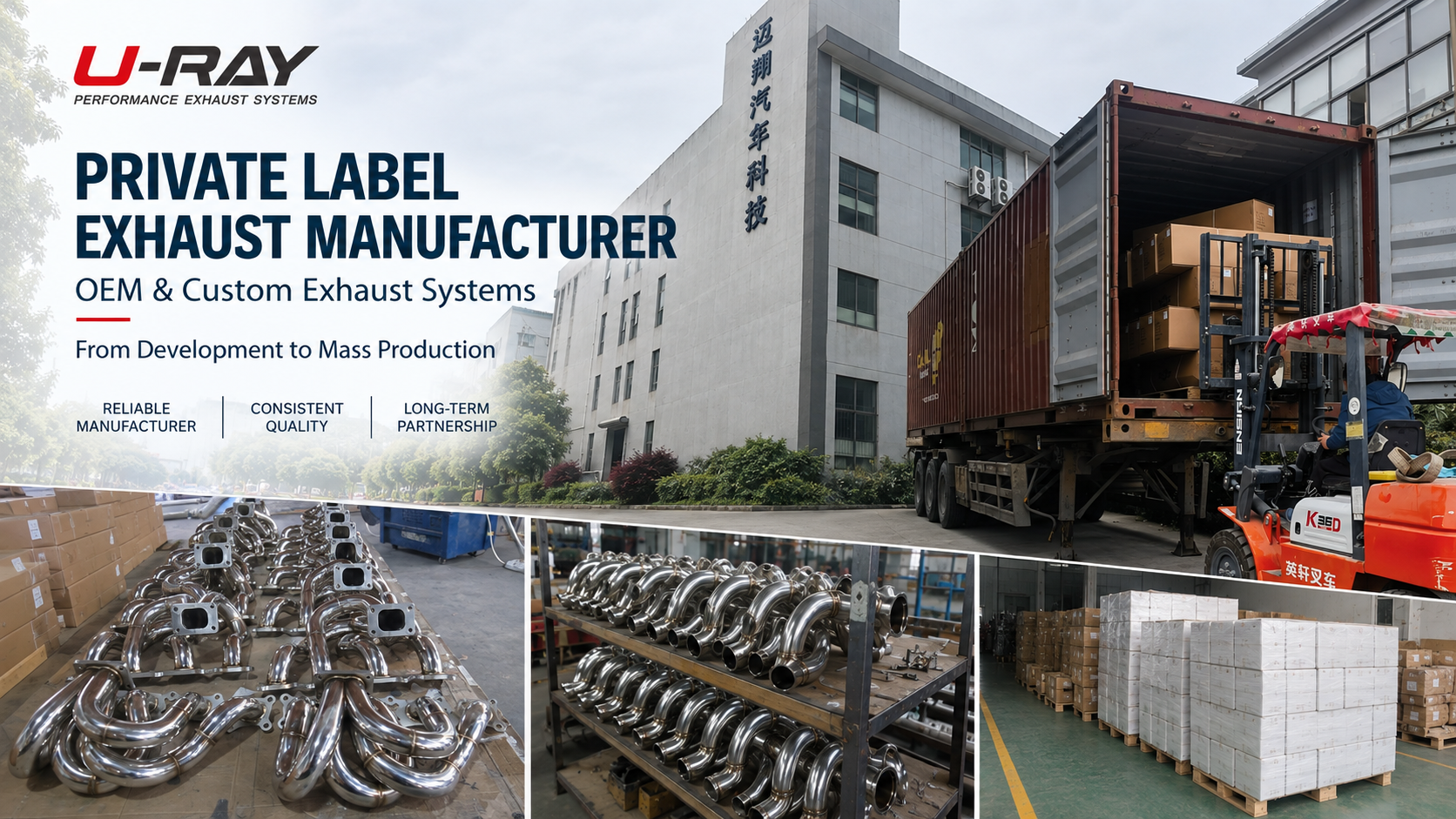
Choosing the right cat-back exhaust system is not only about selecting a product from a catalog. For many aftermarket companies, the better solution is to work with an exhaust manufacturer that can support custom development and production.
A professional exhaust manufacturer can help with:
- Sample-based exhaust system development
- Custom cat-back exhaust systems
- Stainless steel exhaust pipe manufacturing
- Muffler design and production
- Mandrel bending
- TIG and MIG welding
- Flange and hanger positioning
- Surface polishing and finishing
- Small-batch and private-label production
This type of support is especially valuable for distributors, performance brands, repair shops, and companies that want to build their own exhaust product line.
Instead of relying only on universal-fit products, custom manufacturing allows the exhaust system to better match market demand, vehicle applications, and customer expectations.
Our Custom Cat-Back Exhaust Manufacturing Capabilities
As a manufacturer specializing in automotive exhaust systems, we provide custom production for truck exhaust applications based on samples, drawings, or specific vehicle requirements.
Our product range includes:
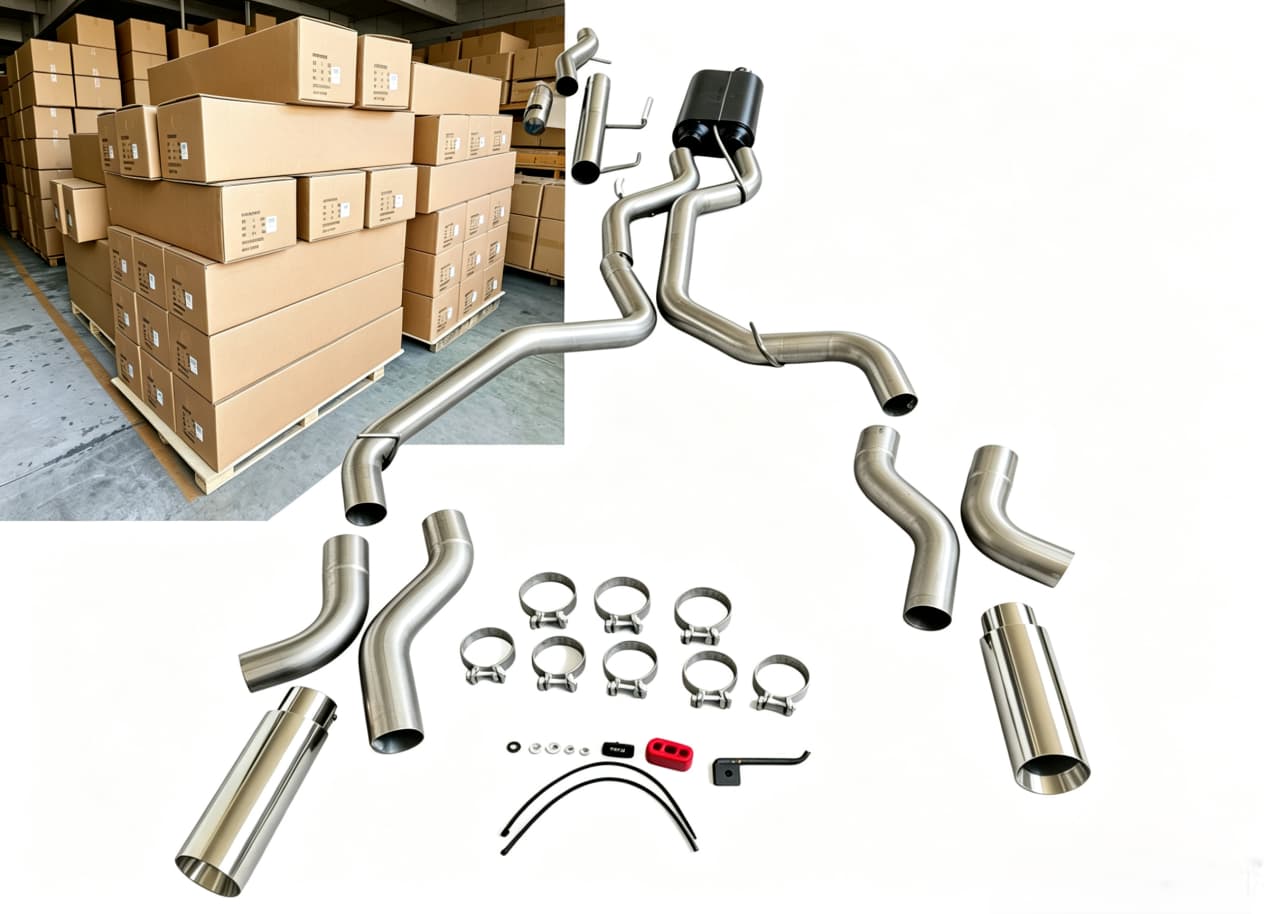
- Cat-back exhaust systems
- Stainless steel exhaust pipes
- Truck exhaust systems
- Performance mufflers
- Custom exhaust tubing
- Mandrel-bent pipes
- Welded exhaust assemblies
- Private-label exhaust products
We understand that every truck application may require a different balance of sound, fitment, durability, and flow performance. That is why we focus on practical engineering, stable production quality, and flexible customization.
Whether the project requires a deeper exhaust tone, improved fitment, corrosion-resistant materials, or private-label production, consistent manufacturing is the foundation of a reliable exhaust product.
Final Thoughts
Choosing the right cat-back exhaust system for a truck is not simply about louder sound or larger pipe diameter. The best exhaust system should match the truck’s engine, driving habits, installation requirements, and long-term performance goals.
For truck owners, understanding these factors can help avoid common upgrade mistakes.
For distributors, workshops, and aftermarket brands, working with an experienced exhaust manufacturer can make product development more efficient and reduce fitment or quality problems.
A well-developed cat-back exhaust system should do more than make a truck sound better. It should fit correctly, last longer, support proper exhaust flow, and deliver a driving experience that meets real customer needs.